In 2015, fresh out of college, I decided to spend a month in my village with my grandma. One day, during a casual conversation about future pilgrimage destinations, she mentioned Rameswaram. She had no idea how far it was or even where it was; the name had simply caught her attention. Two years later, after I had finished my studies and started working, she called me out of the blue and asked, “What happened to the Rameswaram story?”
That was classic grandma — direct, blunt, with a no-nonsense, no-regrets attitude. This marked the inception of my first South India journey.
Our family embarked on a pilgrimage tour, with my 80-year-old grandma taking center stage. I always had a peculiar fascination with the Tamil language and culture, likely sparked by once hearing an unheard-of language as a kid (with mom then telling me about a far-off place called Madras). So, I soaked in every little detail — the architecture, food places, and even the songs played. I remember one song from the movie Mersal being played during the lunch stop, where I too added to the hymn. (The owner was elated, probably taking me as some North Indian who knew this Tamil song.)
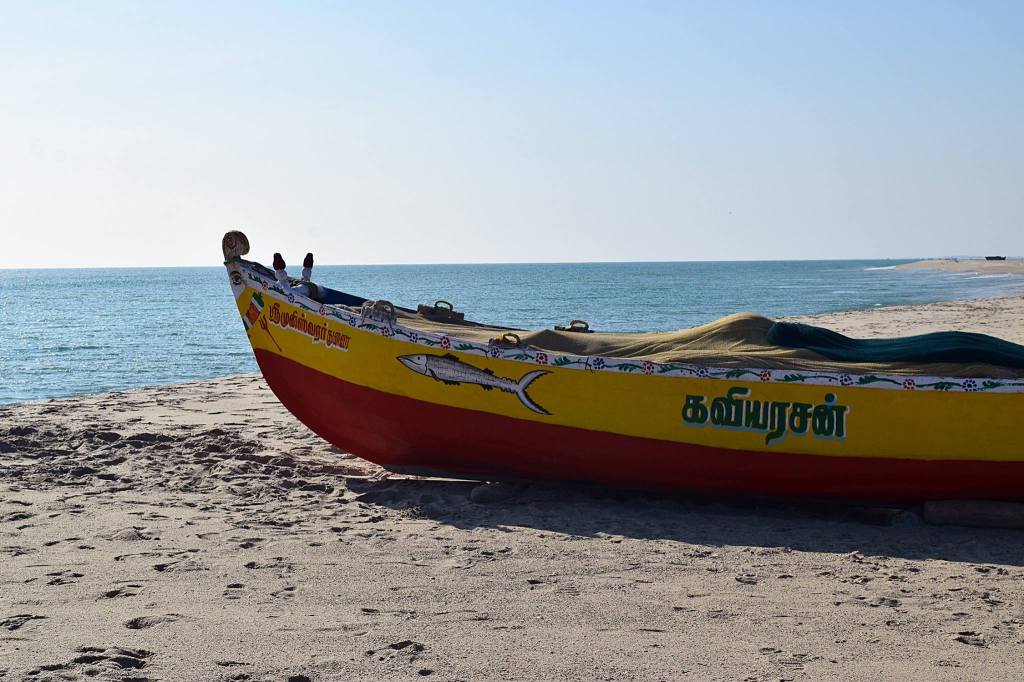
Our first stop was Madurai, one of the oldest cities in the Indian Subcontinent. The main attraction there was the Meenakshi temple, one of the most beautiful temples in the world. The temple complex, with its four towering gateways, showcased a common South Indian architectural style, making it visible from almost anywhere in the city. Even more fascinating (and surprising) was the story of Meenakshi — Vishnu’s sister who married Shiva — a narrative unfamiliar to us in Nepal (and probably even North India), highlighting the rich diversity of Hindu mythology.

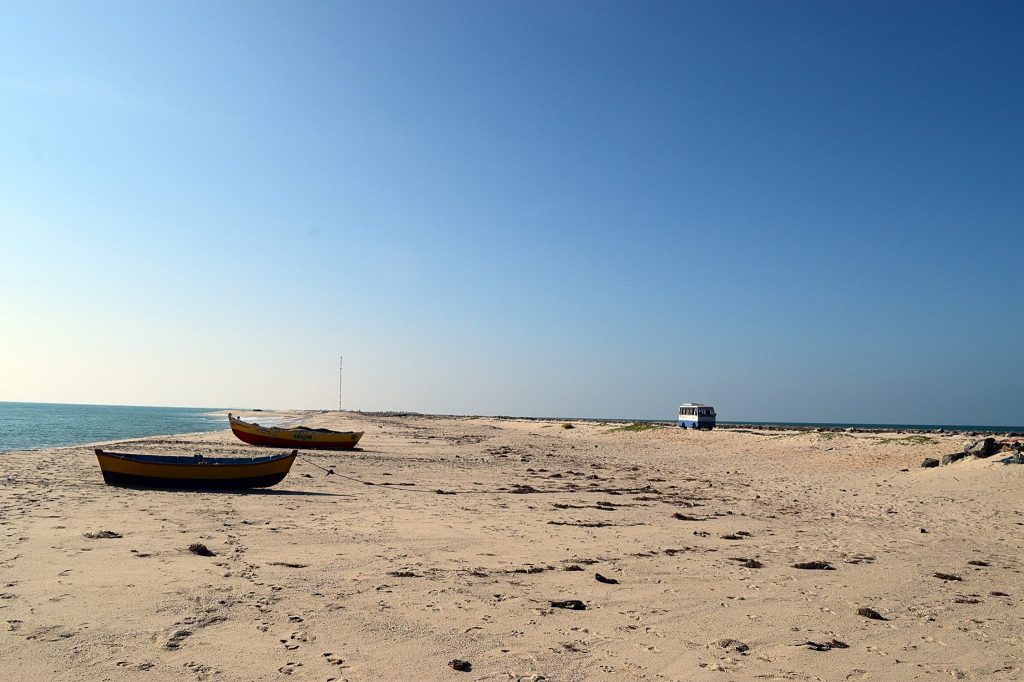
Our subsequent stop was Rameswaram, an island connected to mainland India by two bridges. The initial impression, crossing a bridge above the sea, added a unique dimension to our arrival. As we had reached late, we decided to explore the DhanushKodi village that day, also known as the last village of India. Sri Lanka, which I had visited three months prior, seemed just right across. But the highlight of DhanushKodi was the clear confluence of a sea with an ocean. Yep, you literally see the waves from the Bay of Bengal and the Indian Ocean meeting and then separating. Standing on a thin strip of land between two massive water bodies was a truly surreal experience.
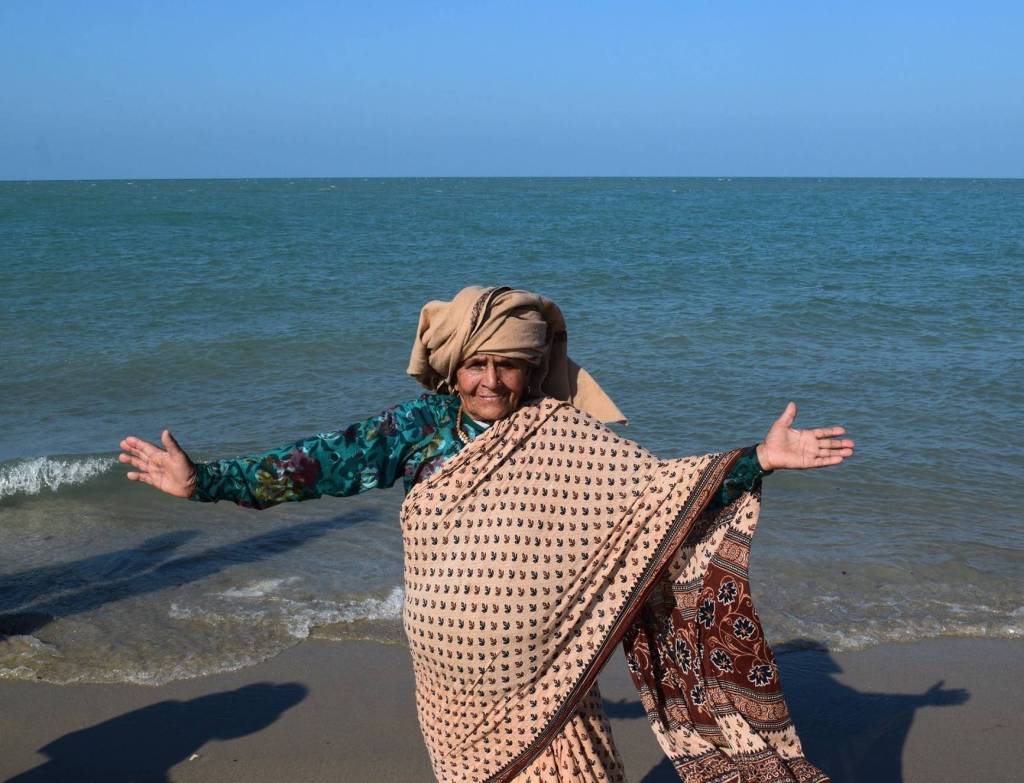
The following morning, we visited the Rameswaram temple, almost mistaking another nearby Ram temple for it initially. Unlike most Hindu temples where ritualistic dips are taken in a nearby river, Rameswaram is different, as you get to dip in the ocean. We performed all the rituals as prescribed, and you can imagine how euphoric Grandma was at the end!
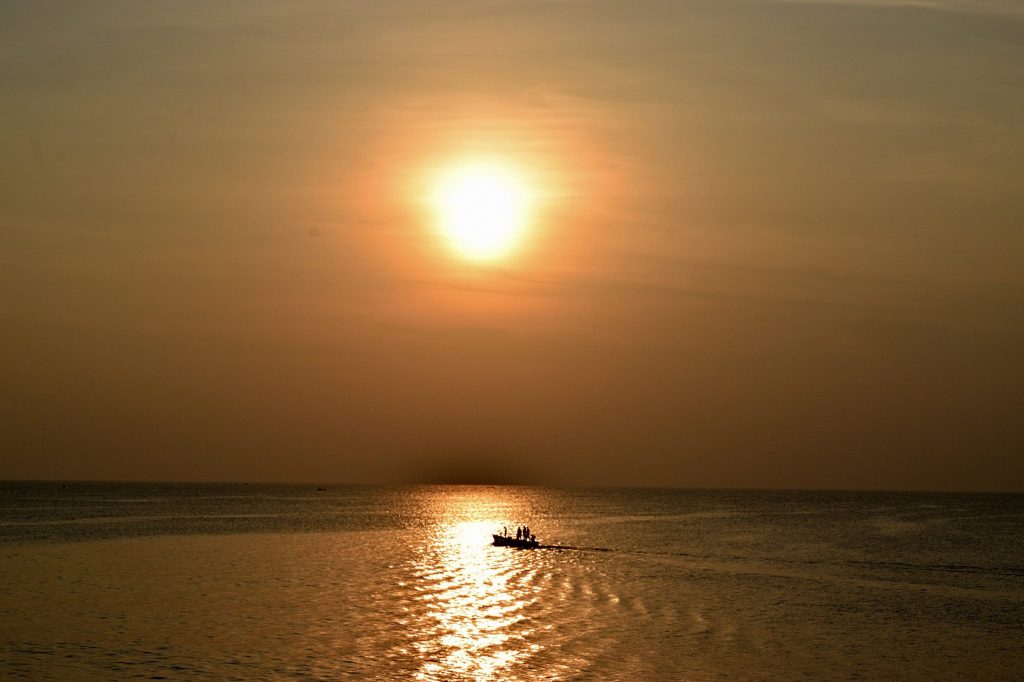
Post-Rameswaram, we took a long route towards the tip of the Subcontinent, and it was my turn to revel in euphoria. Having previously traveled to Kashmir during my college days, I couldn’t stop my head playing the ‘Kashmir to Kanyakumari‘ song. The next day we woke up at 5 in the morning to catch the popular sunrise. Coming from a guy who loves sleeping more than anything, the sunrise was worth the alarm. Still not over the Dhanushkodi sight of a sea mixing with an ocean, I was even more excited as Kanyakumari is considered the intersection of three water bodies: Bay of Bengal, the Indian Ocean, and the Arabian Sea. But the mixing of water was not as apparent.
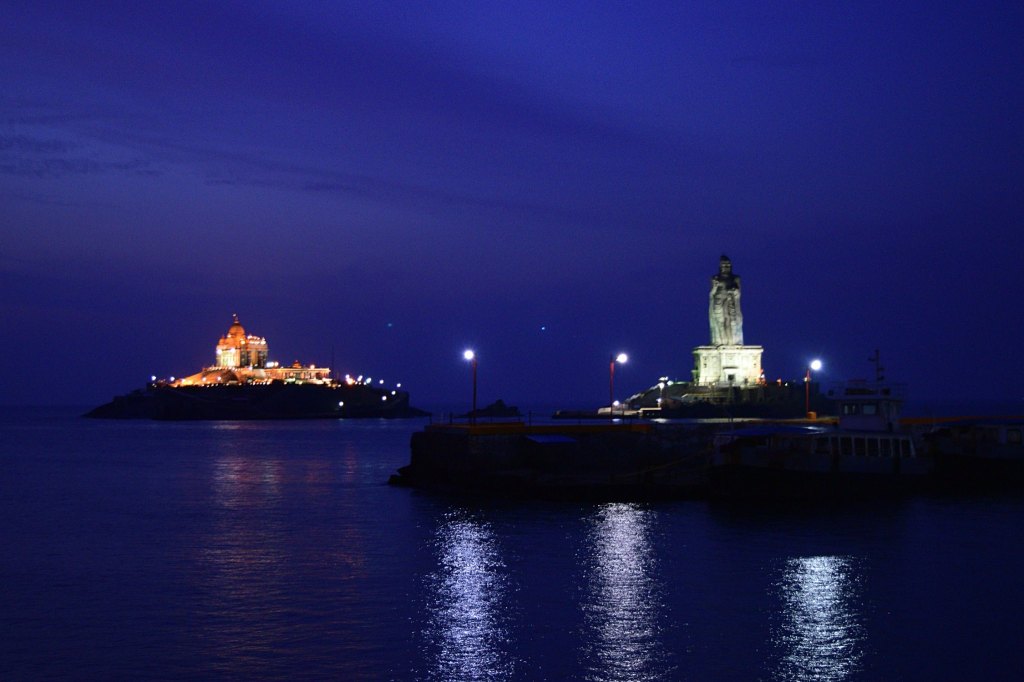
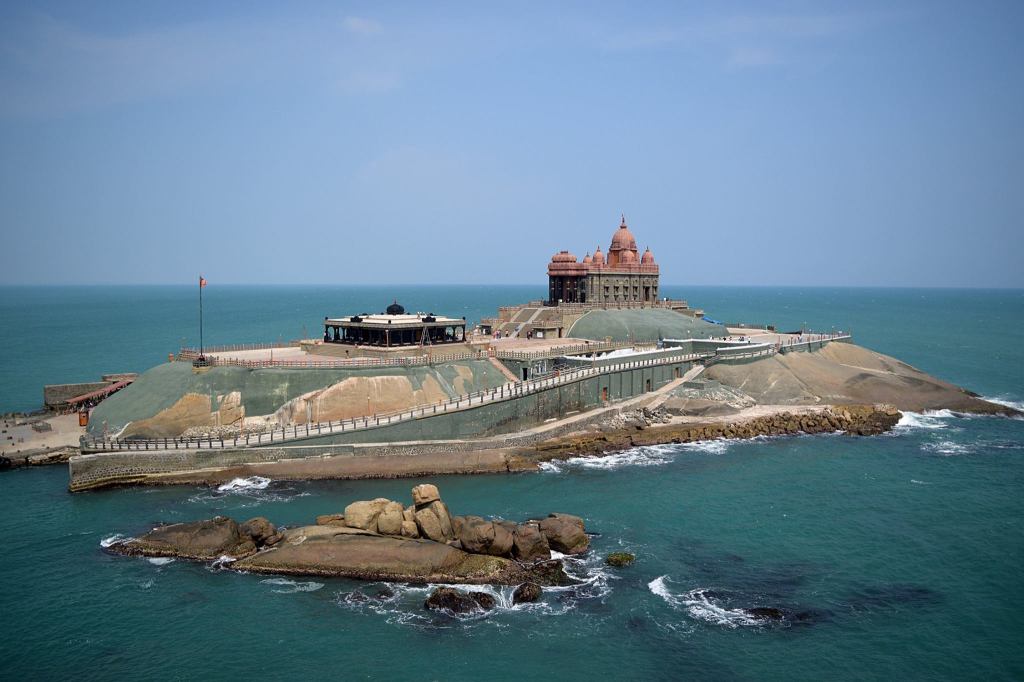
Kanyakumari, nevertheless, had another charm. You could spend hours looking at the Thiruvalluvar statue and the Vivekananda rock. As I didn’t have much idea about Thiruvalluvar, I saved his Wikipedia page on phone, and off we sailed to the Vivekananda rock, where Swami Vivekananda had spent his time meditating. Intrigued by the multitude of people meditating there, even I tried meditating a little. Looking back now, probably those little unassuming moments might have had an impact on my path toward meditation.
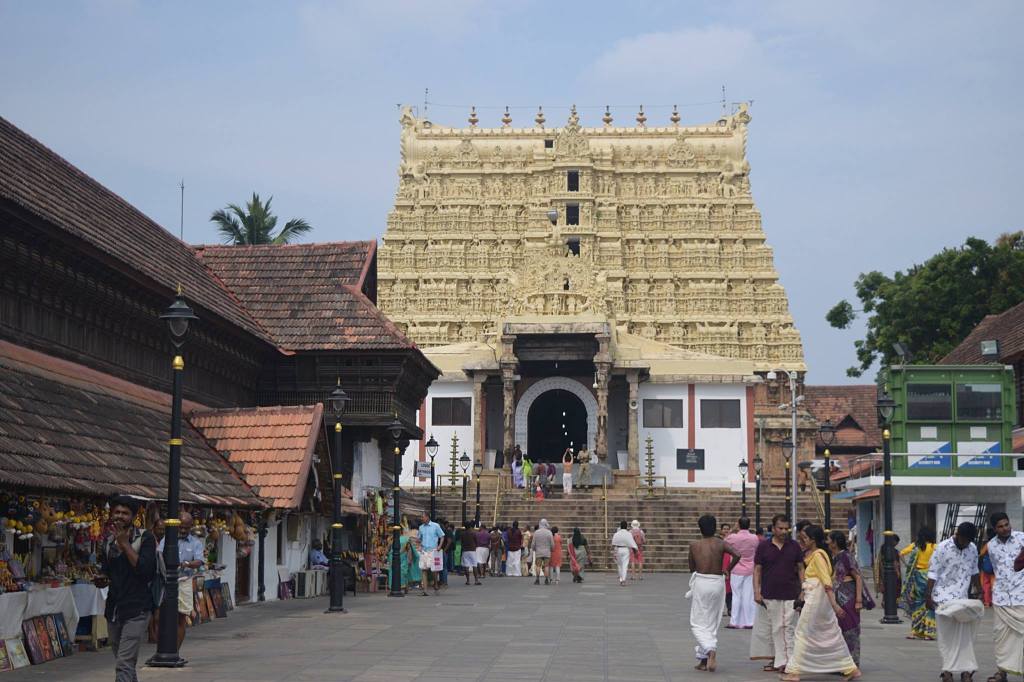
From Kanyakumari, our journey continued to Kerala. Here, I must confess a secret — I strategically omitted the possibility of adding Tirupati to the trip, favoring Kerala instead. The trip was centered around Rameswaram, so I thought introducing a different flavor was justifiable (forgive this poor soul, Tirupati). In Kerala, our journey began in Poovar, experiencing its backwaters via a boat ride. We then stopped at the Padmanabhaswamy Temple, often recognized as the richest temple in the world. Afterward, we headed to a special place called Varkala, recommended by my Punjabi “Canadian” friend.


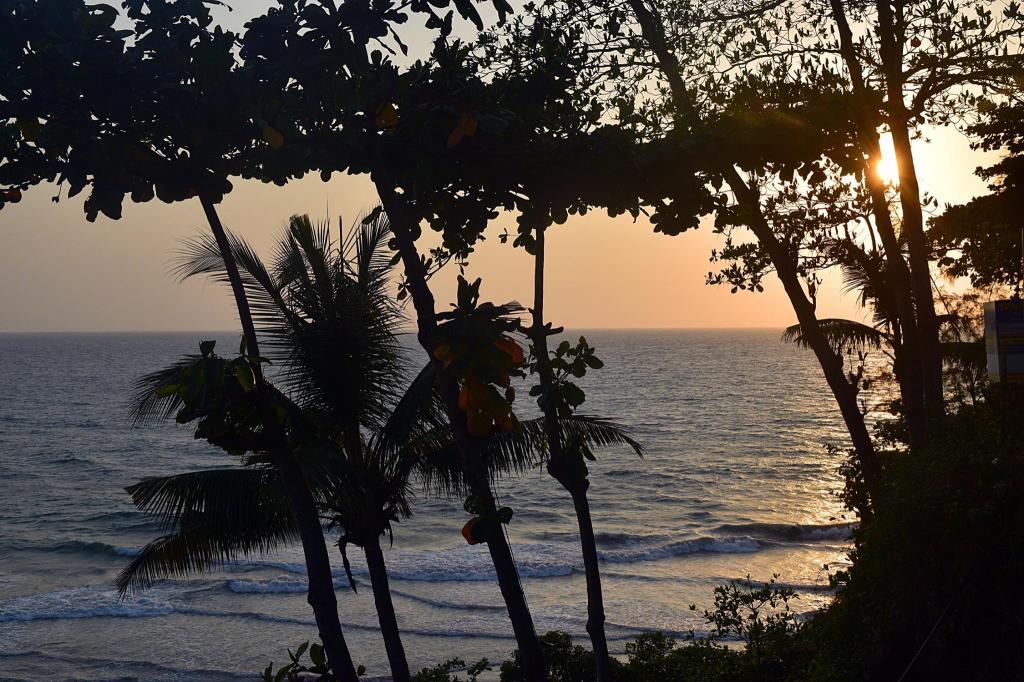
Varkala, my favorite town in India, deserves a separate story. For those torn between the ever-difficult Mountain vs. Beach conundrum, Varkala, with its cliffs and coast, offers a bit of both. Surprisingly, we found Nepali as the third most spoken language there (after Malayali and English), owing to a significant presence of people from Darjeeling and Nepal. In fact, one of the most famous cafes is the Darjeeling Cafe.
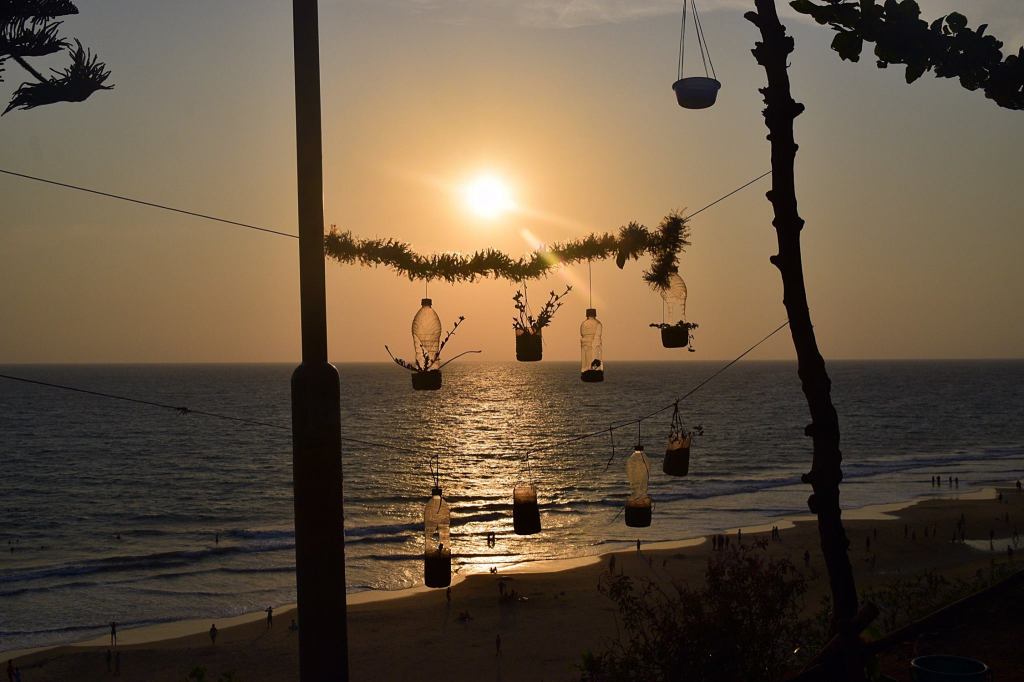

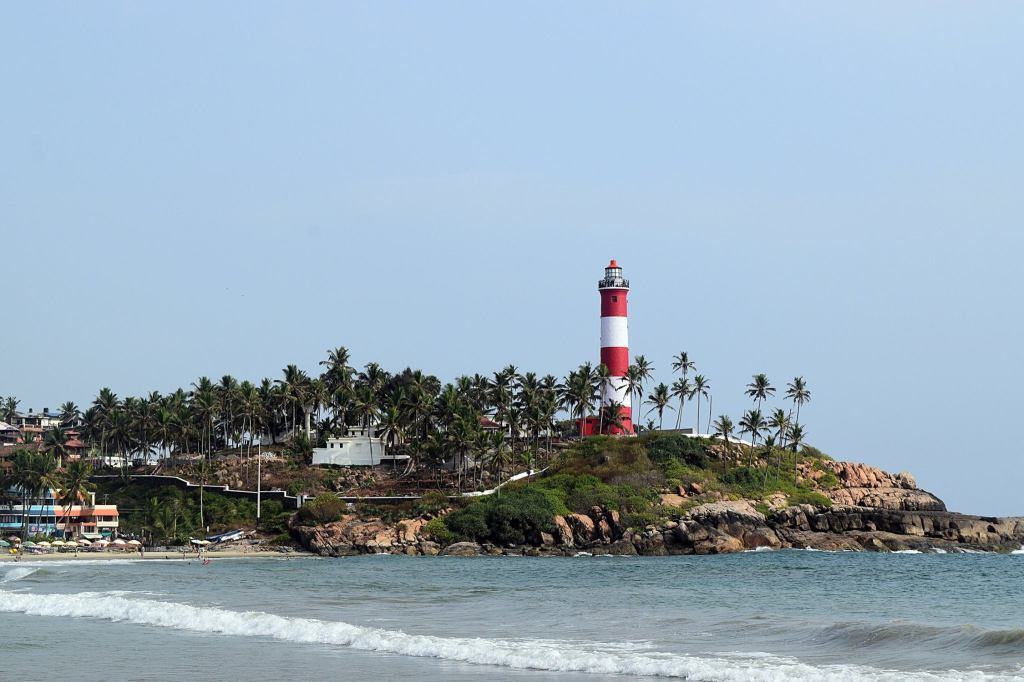
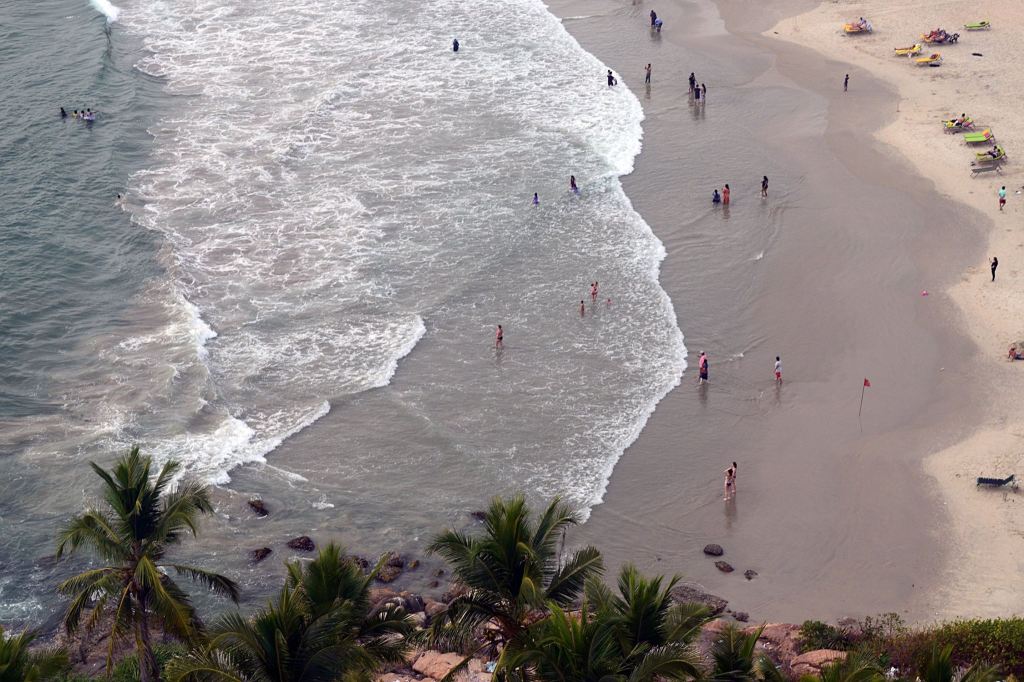
Our final stop was Kovalam, known for its beautiful beach and lighthouse. The lighthouse seemed like the perfect place to conclude our trip, offering a 360-degree vista. I remember deciding to take turns climbing the lighthouse, deeming it too strenuous for an 80-year-old. Yet, Grandma surprised us, with her let-me-give-it-a-try stance. Again, another classic grandma. Her unwavering self-belief and gusto propelled her to the top, even before my parents, where we all absorbed the beautiful panoramic view.
Reminiscing about that trip always fills me with joy and nostalgia. Two years earlier, Grandma passed away. But her spirit continues to guide me in life. I always make sure to implement two lessons learned from her life — to believe in myself and to listen to that inner self more.




 Nepali Wanderer
Leave a comment