
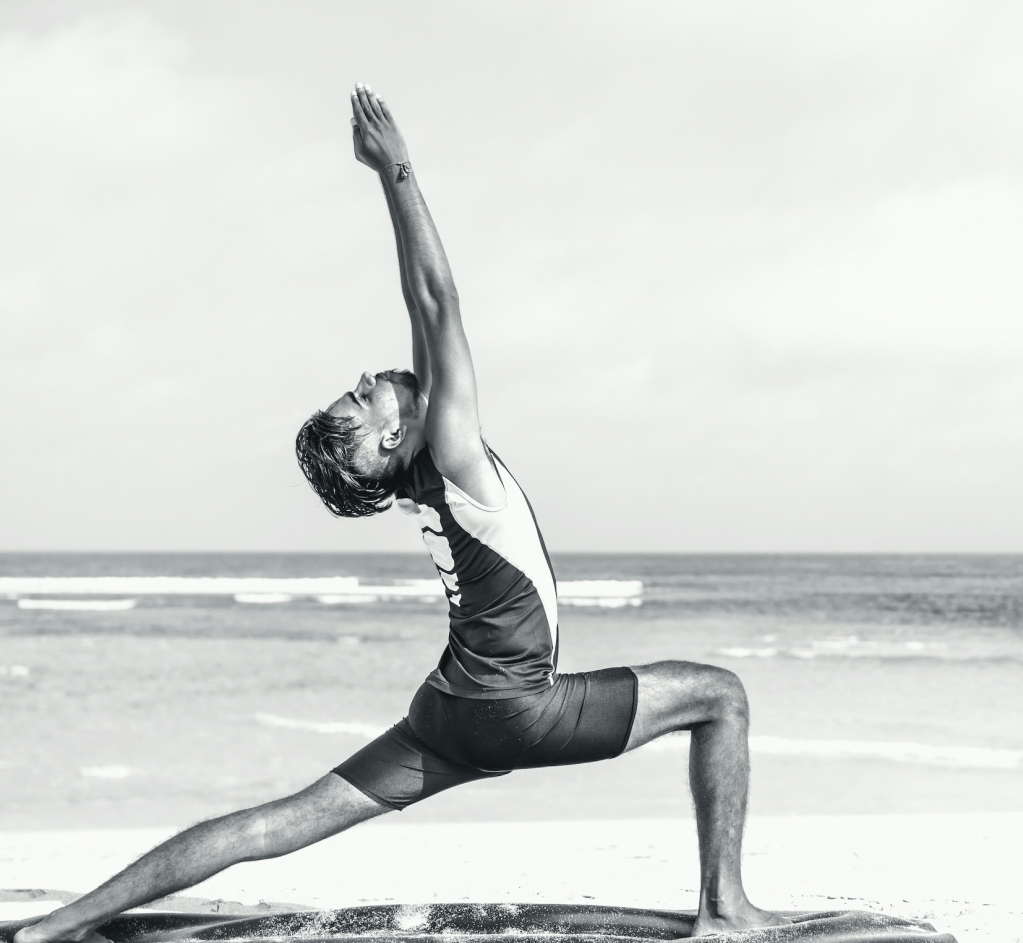
Photo by Andres Ayrton
Throughout my life, I was labeled as thin, with the thin tag often coming with “Babu, you need to look healthy.” However, I was mostly fine with my weight, as I was living carefree, meaning I could munch on whatever came my way, or drink beer without worrying about my belly. But importantly, it also meant one more thing: I was totally oblivious about the entire world of fitness and healthy food.
Then, boom! August 2015 hit, and everything changed!
After surviving four years of hostel food, I finally saw the light when it came to home-cooked meals. So, I started picking up some better habits, like not wasting food (I was notorious for that) and finishing whatever Mom dished out. And of course, I’d top it off with a beer in the evenings, keeping that hostel vibe alive. A month went by, and bam! I finally noticed the scales moving in the right direction, with my “wow, some weight!” moment. Except, the gains just kept coming.
I vividly remember trying on my convocation outfit, bought just a couple of months earlier. Obviously, it didn’t fit anymore. In less than three months, I went from 62 kg to a hefty 75 kg. Come October, during my convocation in India, I finally heard the elusive compliment: “You look healthy!” (Still not sure why people use “healthy” in this context!)
But then reality hit. I struggled on a short 40-minute hike in Pokhara, and for the first time, I felt the true impact of being unfit. To make matters worse, it was the worst time for me to pile on the weight as I was about to live abroad for my studies. For someone who had zero cooking skills (not counting Maggi and Omelette), living abroad meant surviving on frozen pizzas and random food experiments. Or, trying to cook quick-fix meals like Pasta in the name of healthy eating.
When I returned home, I knew one thing for sure: it was time to shed that extra weight, no ifs or buts. So, I started taking some serious steps, like getting a fitness watch and tracking my steps. Luckily, my sister was also on a weight loss mission, so we joined a boxing class together. Learning to throw some punches was fun, but let’s face it, it wasn’t easy. Eventually, I switched things up and got into CrossFit training with the help of a friend who happened to be a trainer.
Slowly, I began to understand two things: the limitations of my own body and the difference between good food and bad food. While I did see some improvements in my fitness, losing weight remained elusive. What’s more, I wasn’t really enjoying the whole process. I mean, for a guy who was never really into sports (my favorite activity in school was quiz competition), this fitness journey felt like uncharted territory. No matter how hard I tried to stay motivated, something else always seemed to pop up, whether it was work commitments or travel plans (just read excuses).
As fate would have it, the nerd in me had to find a nerdy way to lose weight.
During the Covid pandemic, as I delved into reading, I found myself drawn to books about food and health sciences. Three books, in particular, had a significant impact on me: “Good Calories, Bad Calories”, “The Cancer Code” and “How Not to Die”. Soon, I started experimenting with my body and food habits (which I will explain below). Within just a couple of months, I started feeling the difference — not just in terms of weight loss, but also in my overall well-being and energy levels. Since I was also practising meditation, it helped me become more aware of my body. But of course, doubts still lingered. Would this newfound lifestyle be sustainable? Would I end up feeling weaker in the long run?
Fast forward two years, and my weight has remained constant at around 65 kg, all the way from 75 kg. More importantly, I feel more energetic than I did at 62 kg, solely due to my revamped eating habits. I’ve also picked up a few new habits along the way, like giving up alcohol and practicing yoga. But, these were recent additions (more than a year after losing weight), and they came about because of my meditation practice. Interestingly, when I think about the whole journey, they could very well be extensions of my healthy eating habits.
Okay, enough beating around the bush about eating habits — so let’s delve into the experiments I’ve undertaken.
When it comes to eating habits, there are three main variables:
- What you eat
- When you eat
- How much you eat
Among these three variables, “how much you eat” is generally similar for most people, except in a few outlier cases. The variables that have a significant impact on weight are “what you eat” (a frequently discussed topic) and “when you eat” (less often discussed).
Regarding “what you eat,” I started consuming only natural foods, which is surprisingly easy to do in our Nepali meal style. When hunger strikes, it’s easy to reach for unhealthy snacks like cookies, chips, or anything wrapped in plastic or canned. The trick is to feel full, which I achieved by incorporating filling natural foods like dry fruits, avocado, and eggs into my diet. For sweet cravings and candies, fruits were my easy go-to solution.
Now, let’s talk about “when you eat,” which can be quite unconventional compared to our usual habits. From an evolutionary perspective, throughout 99 percent of human history, we lived as hunter-gatherers. This meant two things: first, food wasn’t always available; second, when it was, it was crucial to consume as much as possible to survive. Our bodies are adapted to this lifestyle, not to eating every two hours as we often do now. When we eat frequently, our bodies store the excess energy as body fat. Essentially, eating something signals to your body, “Food is coming, let’s switch to storage mode,” and it makes you hungry again to store more. (Try it yourself: eat a little and see how quickly your hunger returns!)
Therefore, I started eating only during a specific window, practicing intermittent fasting every day. I’d have one substantial meal of rice and lentils (“Dal Bhat”), followed by fruits and nuts as my first snack, then quickly followed by eggs, avocados, and veggies. I remember a colleague once mentioning Jack Dorsey’s one-meal-a-day lifestyle, and I thought it was crazy. Except, in a way, I was doing something similar.
Now, I should probably throw in a disclaimer here — I’m no nutrition expert. Everything I’ve shared here is based on my own experiences and what I’ve learned from books and experimentation. Everyone’s body is different, so it’s essential to experiment and optimise based on how you feel. Moreover, your eating habits should become your lifestyle, not a forced diet plan. And this can only happen if you enjoy the process. When I look back at my journey, two things helped me enjoy and transform my eating habits: A bit of Knowledge about the internal workings, and Awareness of my own body.
Let me illustrate with my own example. I always knew smoking was bad for health, yet I “occasionally” smoked (mostly when I was drunk). All it took was a chapter about the effects of smoking in the book “Cancer Code” to make me quit for good. I guess that’s the difference between knowing and understanding. Regarding awareness, it has helped me see eating not just as a momentary pleasure thing but as something that affects my entire day. Every time I indulge in junk food, I feel worse afterward when the temporary pleasure fades. This awareness helps me stick to healthy eating habits. Like I mentioned earlier, practicing meditation has helped me improve my awareness of food and body.
Lastly, all this talk about food and awareness wouldn’t have been possible without one thing — my own story of gaining weight. I tried everything from boxing to CrossFit to different dietary approaches, and in the process, I learned so much about food and my body. Additionally, it has made me more empathetic towards others struggling with weight issues, something I could never have understood without experiencing it myself.
It’s enlightening (and fun) to look back at our lives and connect the dots. Every experience is a lesson. Sometimes it’s painful, sometimes we may feel lost. But, as always, we learn, adapt, and evolve. Thus, just like I did at the beginning with that “wow, some weight” moment, I still look back at my weight gain story with a smile.




 Nepali Wanderer
Leave a comment