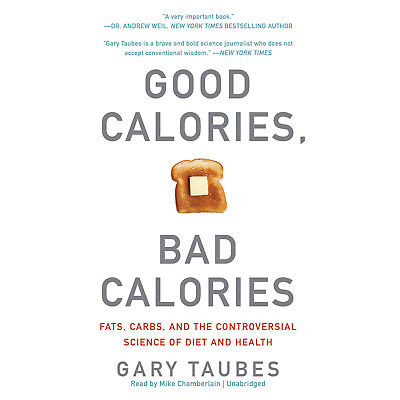
Last night, I shared my journey of gaining and losing fat and how a few books profoundly influenced my transformation. “Good Calories, Bad Calories” by Gary Taubes is one such book. So, here’s my takeaway from the book, summarised across three main sections.
Science, Money, and Propaganda:
For the past century, a singular health mantra has echoed through the halls of dietary wisdom: “Fat is the enemy.” It seems straightforward, doesn’t it? I mean, people don’t want to become fat, so shouldn’t it be obvious to cut out fat? And this is where the story of entire science-laden, money-driven propaganda starts. With the increase in obesity and heart-related diseases (especially in the West), it was important to pinpoint the main culprit. After some research, there “seemed” to be some consensus: Fat (saturated fat, to be precise) was the scapegoat. The no-fat doctrine became gospel, and as people sought alternative sources of calories, there was one easy answer for this fix: sugar.
However, beneath this seemingly rational narrative lies a darker truth: the very science shaping our dietary norms was funded by vested interests, namely the sugar industry. Apart from the grave loss we have already suffered because of this evil science, it begets another bigger question: can we truly trust the science guiding our food choices today? If you ask me personally, just the phrase “trust and science” coming together is a sign for further scrutiny, but that’s a story for another day. But given that health is deeply personal and important, even non-medical individuals must approach dietary advice with critical eyes, and have a basic understanding of nutrition and awareness of their bodies.
Before jumping into the effect of different calories on diseases, let’s talk about a topic that garners even more discussion and interest (and is also linked with diseases.) Weight loss, or the simple formula of Calorie In = Calorie Out (or maybe it’s not that simple!)
Calorie In = Calorie Out (?):
Many embark on weight loss journey with the simple equation: Calorie In = Calorie Out. Yet, this oversimplified mantra fails to account for the complex interplay of factors governing our metabolism. Beyond mere intake and expenditure, calories are also stored for future use, complicating the equation to Calorie In = Calorie Spent + Calorie Stored.
Moreover, the variables on the output side are intricately linked to those on the input side, subject to hormonal regulation, particularly by insulin. This hormone wields considerable influence over metabolism, hunger, and fat storage. When we consume calories, insulin facilitates their uptake into cells while inhibiting the breakdown of stored fat, thereby thwarting the weight loss. In addition, when you’re regularly cutting down your calorie intake, your body adjust accordingly (by decreasing its metabolism rate), and decreases the calorie spent. The result is you feeling lethargic, and still not losing weight.
Thus, weight management transcends a mere arithmetic balance, and is more of a hormonal effect.
Now that we’ve delved into the intricacies of weight loss, let’s address a more pressing matter: the profound impact of insulin on the diseases of civilisation. Yes, you heard it right — “diseases of civilisation.”
Obesity, Diabetes, Cardiovascular Diseases:
I talked a lot about Insulin above, and that’s for a reason. You see, when you have regular spike in insulin level, it inhibits the breakdown of stored fat, and makes you hungry for more food, which then leads to obesity. But the story doesn’t end here.
Once you have regular elevated level of insulin, your body gets used to insulin, and starts becoming insulin resistant, meaning it can not regular the sugar into cells like before. In turn, your body releases more insulin than before, and then your body gets even more resistant, and the vicious cycle continues. Thus, the elevated level of insulin (known as hyperinsulinemia) leads to insulin resistant stage with elevated level of blood sugar, which is Type 2 Diabetes, the most common form of diabetes in the world. As if the story isn’t already horror, the elevated level of sugar leads to other dangerous consequences, like the damage of blood vessels (via formation of plaques in the arteries), which can lead to heart diseases and stroke.
Now, let’s address the culprits behind these diseases. And importantly, what makes these diseases more frequent in “civilised”, so as to say developed, part of the world? As civilised means refined, civilised food means …. yes you guessed it right … refined food!
When we consume refined food (like sugar, or refined carbs like white flour, white rice, think whatever comes white, soft and refined), it rapidly breaks down into sugar, leading to sudden spike in insulin level. Add to that our constant snacking habit, the sudden spike in insulin becomes a normal event. But sadly, our hunger-gatherer era manufactured body isn’t just used to all this. Hence, the cascade of diseases from obesity, to diabetes to cardio-vascular diseases.
Before I end with this, I would also like to add one more hormone and the disease linked with it. Like Insulin, there’s another hormone known as Insulin Like Growth Factor (IGF), that’s linked with growth. Growth seems like a good idea, except when it’s unchecked and untimely, it can lead to the emperor of all maladies. Yes, Cancer. And the vary same culprits responsible for spiked insulin are also linked with spiked IGF and Cancer.
Conclusion / My Takeaway:
For a bloke with little knowledge on the topic, I can’t express my gratitude for this book (and author) for making me understand some of the stuff about Calorie and our body (still a long way to go). Importantly, it was eye-opening for me in terms of how consensus can be reached in the scientific community when there’s no consensus, the dark side of commercial interest funding the research, and thus the importance of questioning everything you see around.
The more you read, the more you realise there’s no such one thing as a single truth, or even consensus, as I was to find out after reading more books around this topic. Interestingly, some of the findings suggested in the book conflicted with learnings from other books (more on those in future articles). So, my takeaway is to critically analyse even the seemingly truth labeled insights. It’s important to understand as much as you can, use some common sense, do some experimentation to know what works for you, and adapt.






 Nepali Wanderer
Leave a comment