
One region in India I had never explored before was the North East, popularly known as the Seven Sisters. This area stands out even on the map of India, with each state distinct in its culture and geography. My fascination also stemmed from the region’s historical connection with Nepal. Names like Manipur and Assam felt familiar growing up, yet I knew these places were different from Sikkim (which I had visited in 2015). This blend of familiarity and difference always piqued my interest in the North East.
Finally, after much planning and several postponements, I embarked on my first North East adventure in December 2022. My friend and I traveled from Kathmandu to Guwahati, where we joined another friend working there. From Guwahati, we headed straight to Meghalaya, bypassing Assam for the time being. The drive to Shillong, Meghalaya’s capital, takes just 3.5 hours from Guwahati and is incredibly scenic, reminiscent of the hilly drives in Nepal, with slightly better roads. True to its name, which means “home of the clouds,” Meghalaya welcomed us with rain, enhancing the lush green hills and lakes along the way.
We spent our first night in Shillong, and since it was Christmas Eve, we wandered around, soaking in the festive celebrations that lasted until midnight. Shillong is known for its significant Christian population, making the celebrations particularly vibrant.
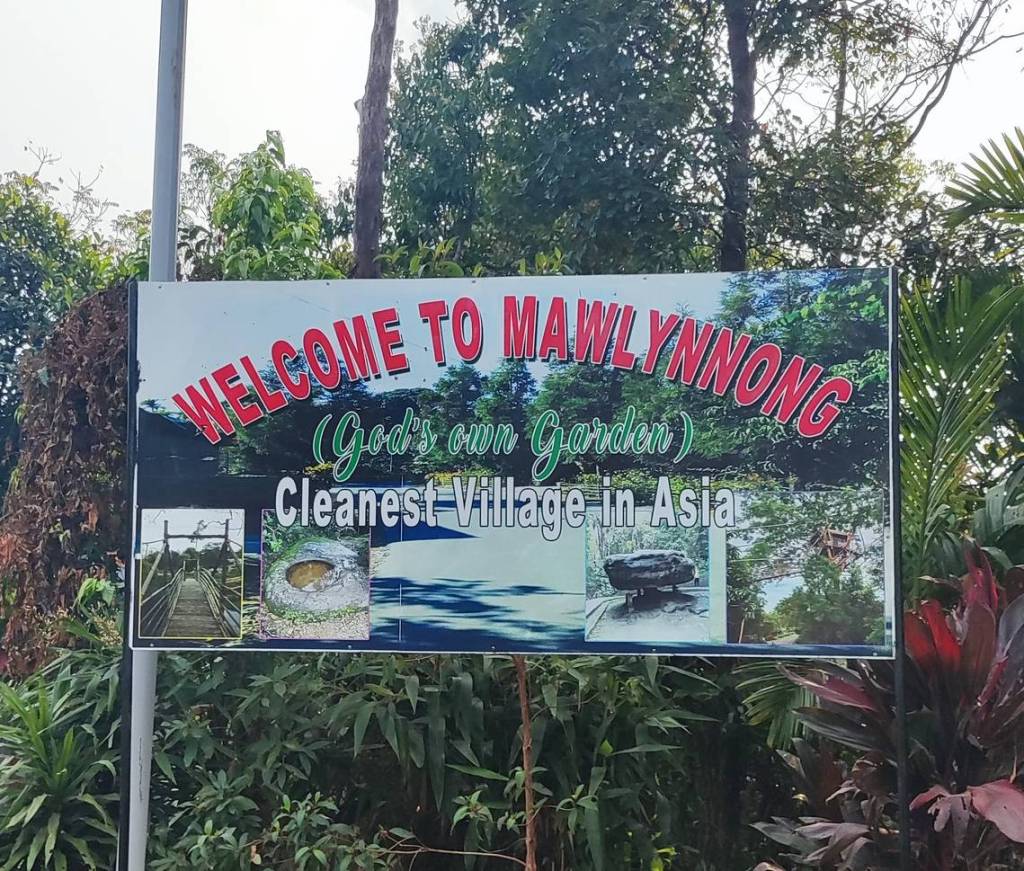
The next day, we headed to Mawlynnong, a village renowned as the cleanest village in Asia. As expected, Mawlynnong was impeccably clean. The village also featured a charming bamboo tower that offered panoramic views of the surrounding forests. But what fascinated us the most from our vantage point was the sight of a new country. Yes, from that tower, we could see Bangladesh on the horizon, which added a unique thrill to our visit. The realisation that we were looking at another country from afar made the experience even more special. It highlighted how human boundaries shape our perceptions, turning an otherwise ordinary landscape into something extraordinary.
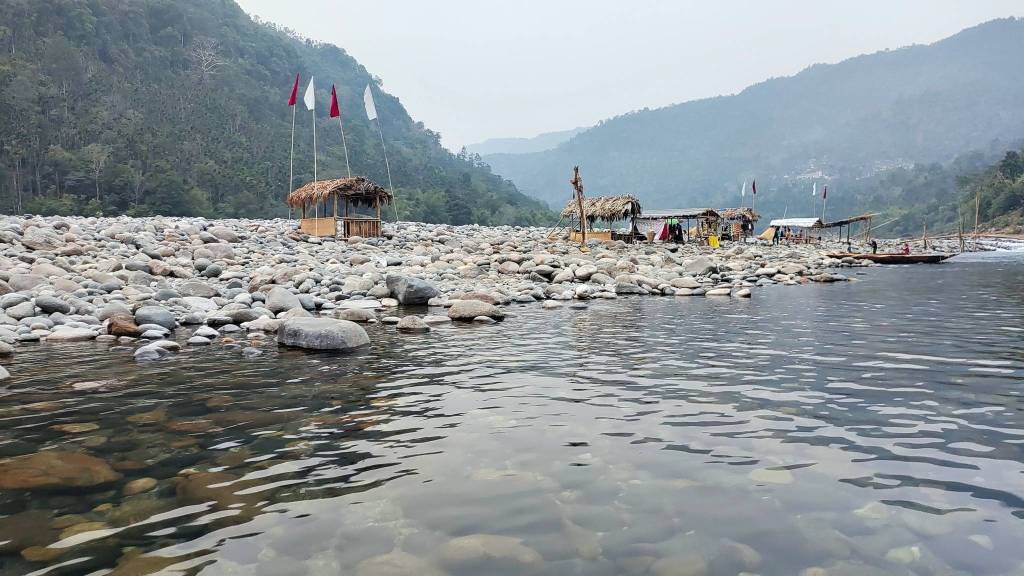
Our journey continued to Dawki, where the Umngot River serves as a border between India and Bangladesh. Dawki is famous for its crystal-clear waters, often featured on Instagram. The river lived up to its Instagram reputation (minus the filters, obviously), and we enjoyed a boat ride, marveling at the transparent waters. Seeing travelers from Bangladesh on the other side was like witnessing a convergence of two worlds.

From Dawki, we drove to Cherrapunji. For a general knowledge fanatic, Cherrapunji was always special because we had to memorise the name for its record-breaking rainfall. Even though I recently discovered that nearby Mawsynram now holds the record, the lifelong bookish memory made Cherrapunji special. Even in late December, we got to experience the famous Cherrapunji rain.
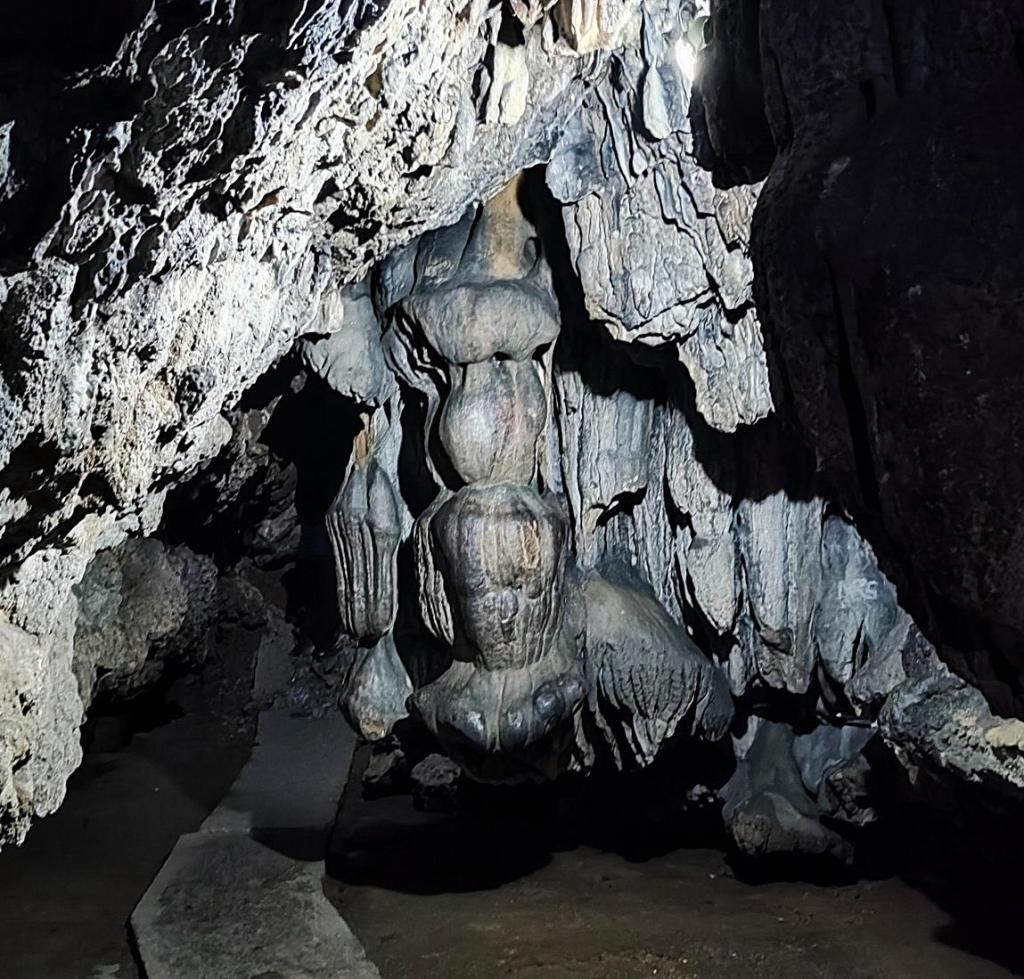
In Cherrapunji, we started our day with Mawsmai cave, famous for its unique formations and fossils. After that, we visited two famous waterfalls, Nohkalikai Falls and Seven Sisters Falls. Personally, it left me imagining how magnificent they would look in full monsoon flow. There’s something special about seeing a rain-famous place in the monsoon, like seeing wild animals in the wild. It’s risky for sure, but also breathtaking. Having seen the Athirapilly waterfall (Kerala) in peak monsoon a few months earlier, I was left imagining the majestic force of these waterfalls in their prime.

Cherrapunji is also renowned for its living root bridges. But due to time constraints and our reluctance to hike, we missed the double-decker root bridge. For anyone visiting Meghalaya, I highly recommend making time for this unique sight.
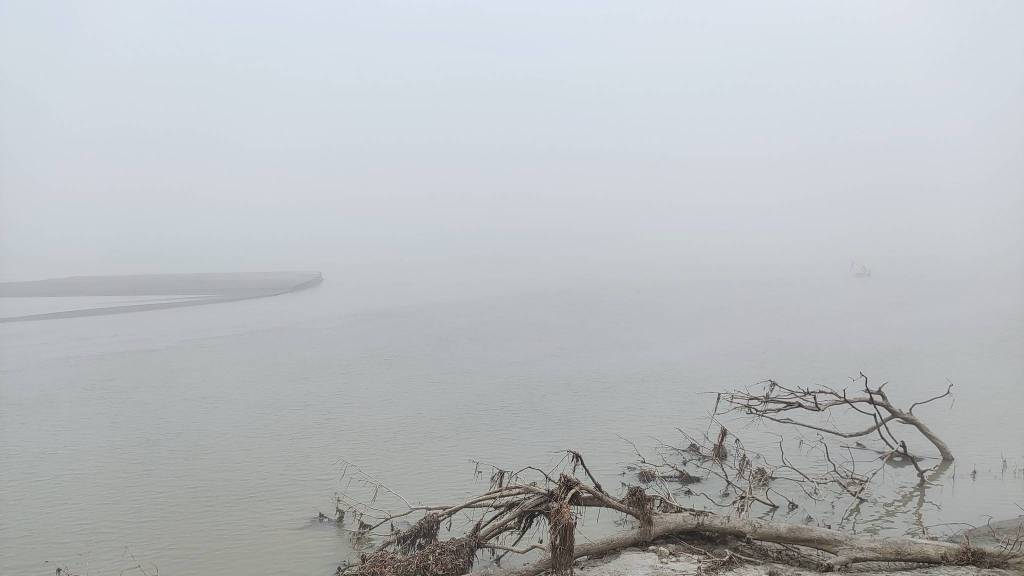
Returning to Guwahati, we visited the famous Kamakhya Temple, one of the oldest Shakti Pithas dedicated to the goddess Kamakhya. The temple is unique for its annual celebration of the menstruation cycle of the goddess Kamakhya, serving as a reminder of the divine feminine energy. It is also a place of significant tantric heritage shared by both Assam and Nepal. The presence of many Nepali-speaking pilgrims highlighted the temple’s importance to the Nepali community. Guwahati is also home to the iconic Brahmaputra River. Seeing its vast expanse was particularly special for me, having previously seen its narrower form in Tibet while on a pilgrimage to Mansarovar. The river in Guwahati was as wide as a sea, a stark contrast to its appearance in Tibet.

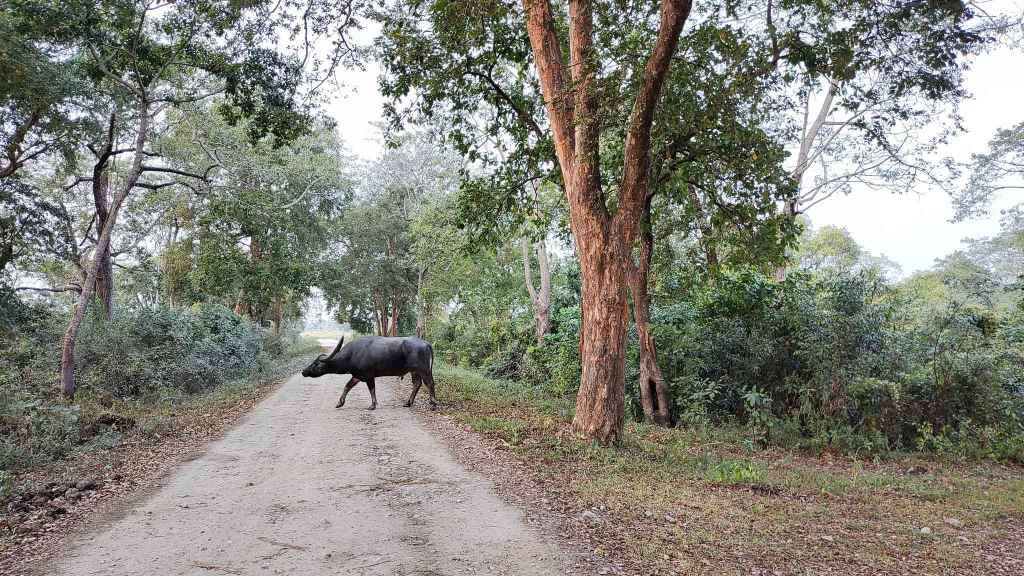
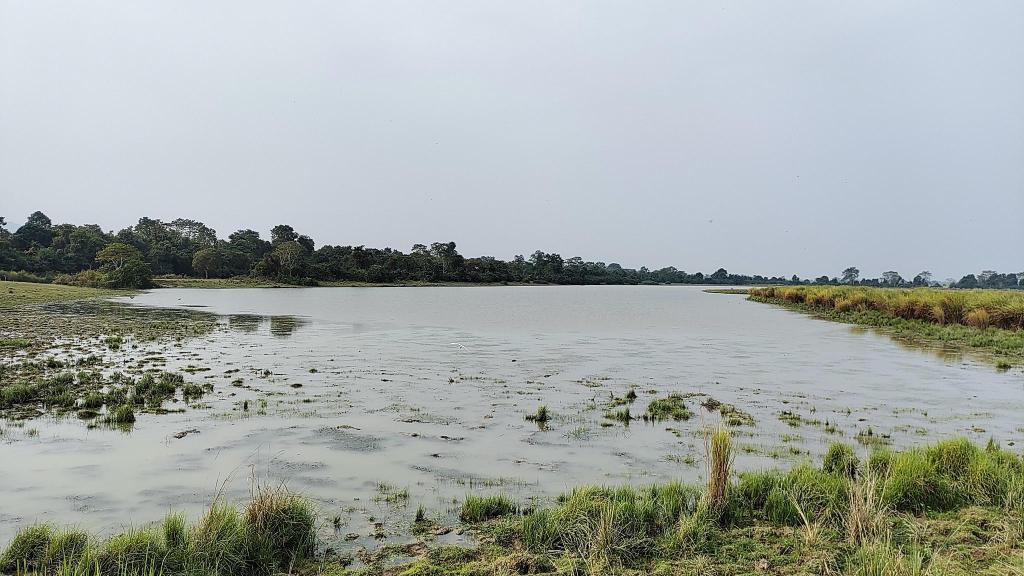
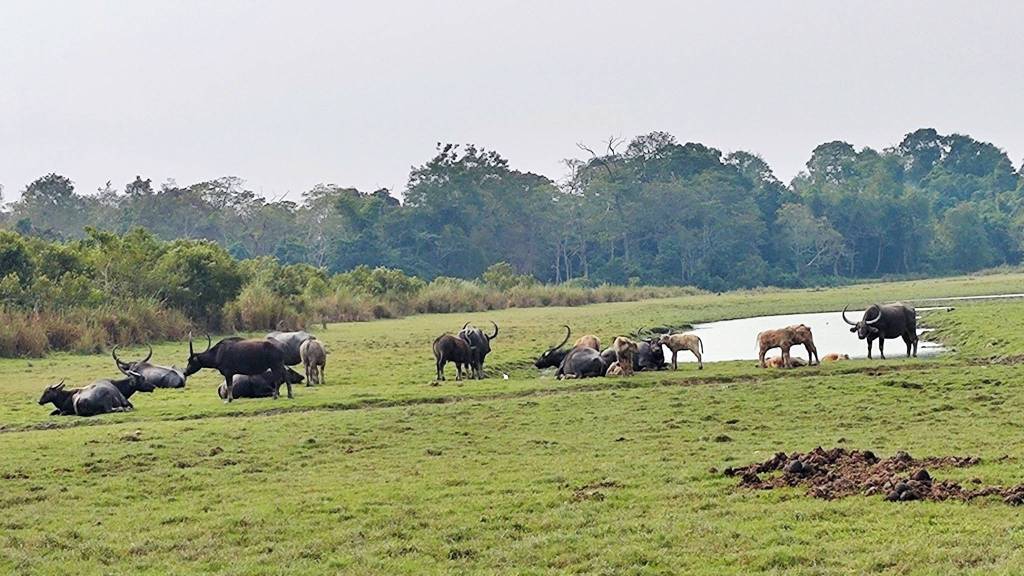
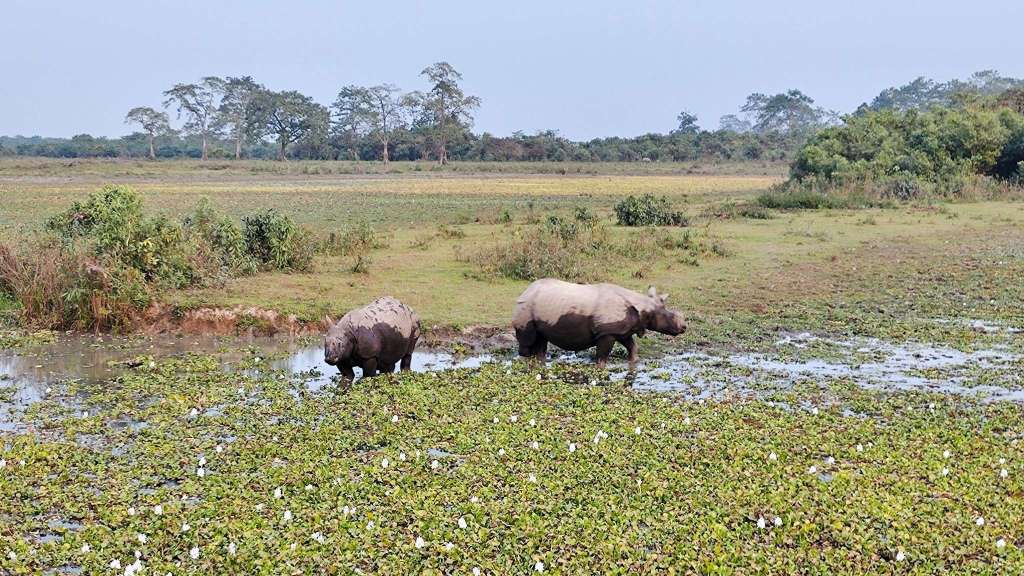
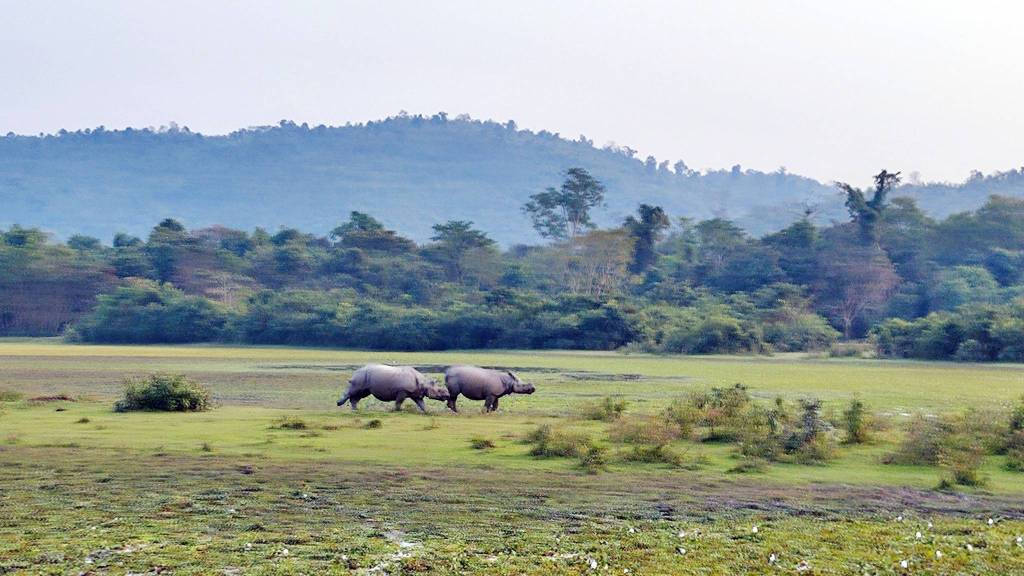
After Guwahati, we had to choose between visiting Nagaland or Kaziranga National Park in Assam. My friend, a national park enthusiast, convinced us to choose Kaziranga, and it was a decision I’m glad we made. Not only was Kaziranga stunning (I’m sure Nagaland is stunning too), but I learned it’s important to visit national parks with people who have wildlife knowledge. My friend’s knowledge of wildlife enriched our experience. We took jeep safaris to explore different zones of the park. The vast landscapes, tall grasses, and rich biodiversity made the park feel like a scene from a nature documentary. We saw deer, snakes, and a variety of birds, but the highlight was undoubtedly the one-horned rhinoceroses, as the national park is famous for its dense population. One unforgettable moment was watching two rhinos engage in a dramatic interaction, either fighting, chasing, or courting each other.
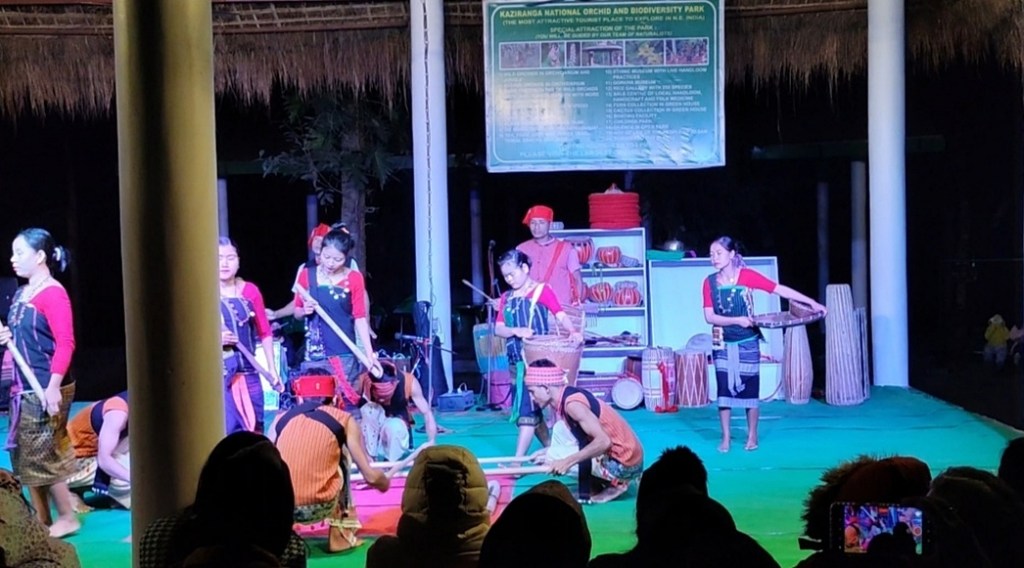
In Kaziranga, we also experienced a cultural show. The program featured songs and dances from diverse tribes in the North East, showcasing the region’s rich and diverse culture. I was particularly captivated by a dance based on rice-beating steps. It was a reminder of how rituals and cultures are intertwined with our daily activities, and how playful activities like dance function as modes of socialising and passing on cultural knowledge, apart from the obvious fun aspect.
We only visited two places in the North East, but the region offers so much more. I wish we could have explored Nagaland or Manipur on this trip. Then there is Arunachal Pradesh with its remote allure and the famous Tawang Monastery. And finally, I also have a dream of traveling to Myanmar (and all the way to Thailand) via Manipur, despite the potential border complications for non-Indians. Hopefully one day.
This was our North East adventure, marking my first exploration of this special region of India.





 Nepali Wanderer
Leave a comment