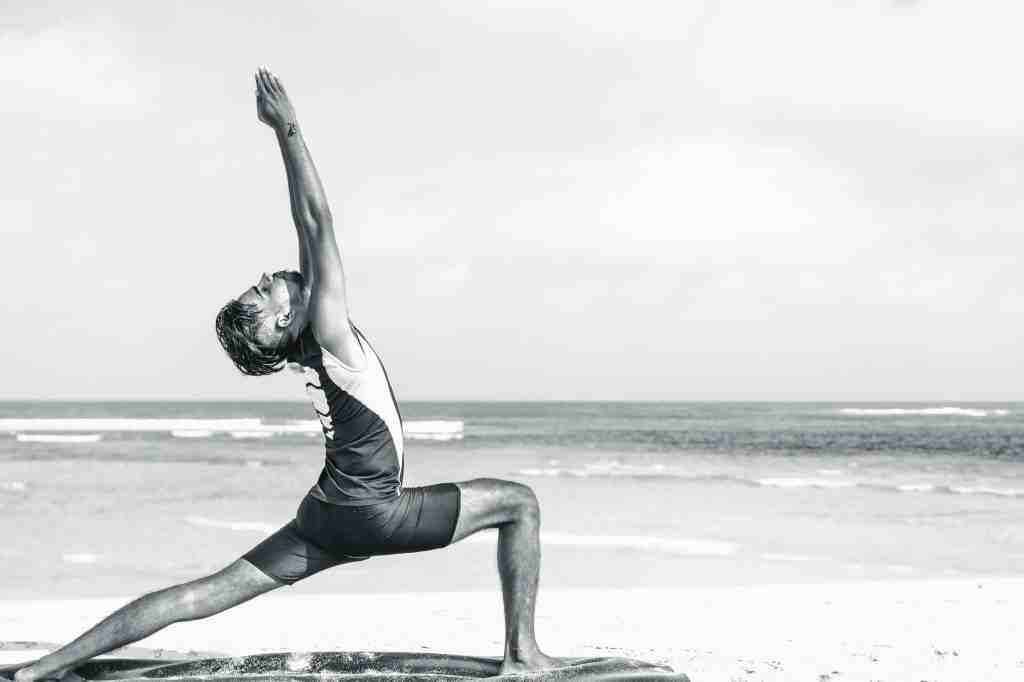
In my previous story, I shared my personal journey with yoga. As someone fascinated by history, I thought it would be intriguing to explore and document the evolution of yoga — from its spiritual roots to the physical asanas we practice today.
Let’s start with the etymology. The word “Yoga” originates from the Sanskrit word “Yuj”, meaning union. Broadly, yoga represents the union of body and soul. But when did this notion first emerge? Here lies the challenge in studying Indian civilisation’s history, where knowledge was primarily transmitted orally. Since written evidence is given more weight in historical documentation, I will narrate the history along written evidence first, and conclude with my thoughts on the undocumented history. For the ease of navigation, I will divide the history of Yoga into five eras:
Vedic Era:
The earliest mention of yoga appears in the Rig Veda, one of the oldest scriptures in the world, dating back at least 3000 years. However, the concept of yoga as a mind-body-soul practice is first detailed in the Katha Upanishad (1000-500 BCE). The Upanishads, or Vedanta, represent the concluding sections of the Vedas, delving into deeper spiritual knowledge. Specifically, the Katha Upanishad introduces “Pratyahara,” the withdrawal from external physical senses to achieve inner focus.
Patanjali Era:
The next significant development in yoga came with Patanjali (200 BCE – 200 CE), who compiled the Yoga Sutras. Patanjali codified yoga practice into the eight limbs of Ashtanga Yoga: Yama (ethical practices), Niyama (self-discipline), Asana (postures), Pranayama (breath control), Pratyahara (sensory withdrawal), Dharana (concentration), Dhyana (meditation), and Samadhi (union with the divine). Patanjali’s famous definition of yoga, “Yogas chitta vritti nirodha,” emphasises yoga as a practice of controlling the mind’s fluctuations, highlighting its meditative focus.
Parallel to Hinduism, Buddhism and Jainism also developed meditative practices akin to yoga around 500 BCE. For instance, Buddha’s Eightfold Path bears similarities to Patanjali’s Ashtanga Yoga.
Bhakti Era:
The Bhakti Era (400 BCE – 200 CE) introduced another critical phase in yoga’s history, with the Bhagavad Gita being a pivotal text. In this dialogue, Krishna defines yoga as equanimity, maintaining a balanced mind in success and failure. He outlines three primary paths of yoga: Karma Yoga (selfless action), Bhakti Yoga (devotion), and Jnana Yoga (knowledge). Later, Swami Vivekananda added Raja Yoga, focusing on meditation.
Tantric Era:
The Tantric Era (500 CE – 1300 CE) marked the development of Hatha Yoga, which focuses on physical postures and breath control. Tantra, using the body as a means to achieve spiritual enlightenment, introduced concepts like kundalini (dormant energy), nadis (energy channels), and chakras (energy centers). Influential figures like Gorakhnath and Matsyendranath contributed significantly to Hatha Yoga, with texts like the Hatha Yoga Pradipika (1350 CE) detailing various postures, breathing, and meditation techniques.
Modern Era:
The most significant leap in the development of Yoga occurred in the 20th century. Krishnamacharya of Mysore, often hailed as the father of modern Yoga, played a crucial role in reviving Hatha Yoga and integrating it with Ashtanga. His students, B.K.S. Iyengar and Shri Krishna Pattabhi Jois, brought Yoga to the West, popularising it internationally. In North India, Swami Sivananda also had a major influence, with his students Vishnudevananda (founder of Sivananda Ashram), Satchidananda (founder of Integral Yoga), and Satyananda (founder of Bihar Yoga) significantly contributing to the spread of Yoga. This era saw a greater emphasis on asanas, along with the integration of exercises from around the world.
As Yoga continues to gain popularity and relevance, modern science and research are increasingly interested in its benefits. While Yoga may evolve, its core principle of mind-body connection will always remain. And for those with a spiritual inclination, the ultimate quest of uniting with the Brahman will also endure.
A Personal Take on Yoga’s History:
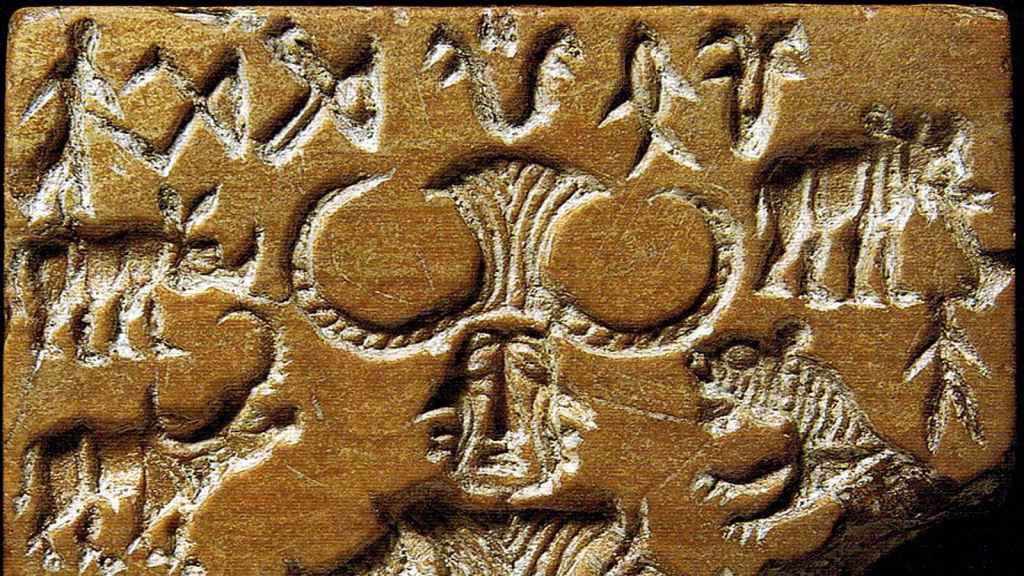
As I mentioned earlier, the dates associated with Hindu scriptures should be taken with a caveat due to the oral tradition. The oldest evidence of Yoga comes from the Indus Valley Civilization (at least 3000 BCE), in the form of the famous Pashupati Seal (as shown in the image above). This seal depicts a three-faced figure seated in a yogic posture, believed to be Shiva. This coincides with the oral history of Shiva being the Adiyogi (the first Yogi). This way, the evolution of Yoga could be a story spanning thousands of years, adding to its timeless nature.





 Nepali Wanderer
Leave a comment