Kigali was love at first sight.
After an overnight bus ride from Uganda, the very first thing I saw in Rwanda was hills. Hills everywhere. I had read before that Rwanda is called the Land of a Thousand Hills (Mille Collines in French). But I honestly did not expect even the capital city itself to be surrounded by hills. Coming from Nepal, those hills immediately felt familiar and comforting. Almost like home. Only later did I find out that Kigali sits at an altitude of around 1,500 meters.
I was traveling with my friend from Kenya, making our way around East Africa through Uganda. Like in Nepal these days, motorbike taxis (famously known as boda-bodas) are the easiest way to get around in East Africa. As we rode through the city toward our hotel, another thing struck me almost immediately: the cleanliness.
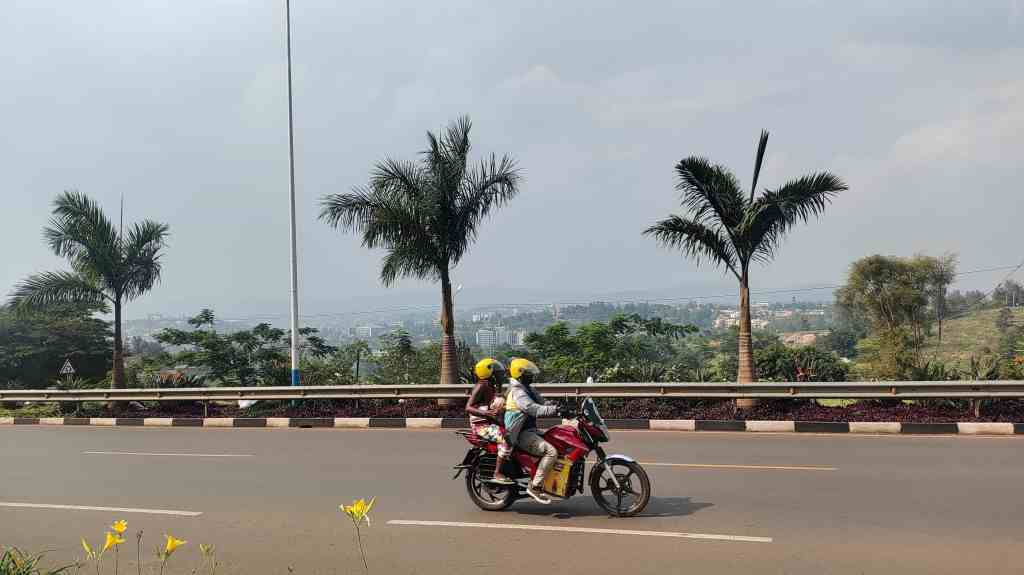
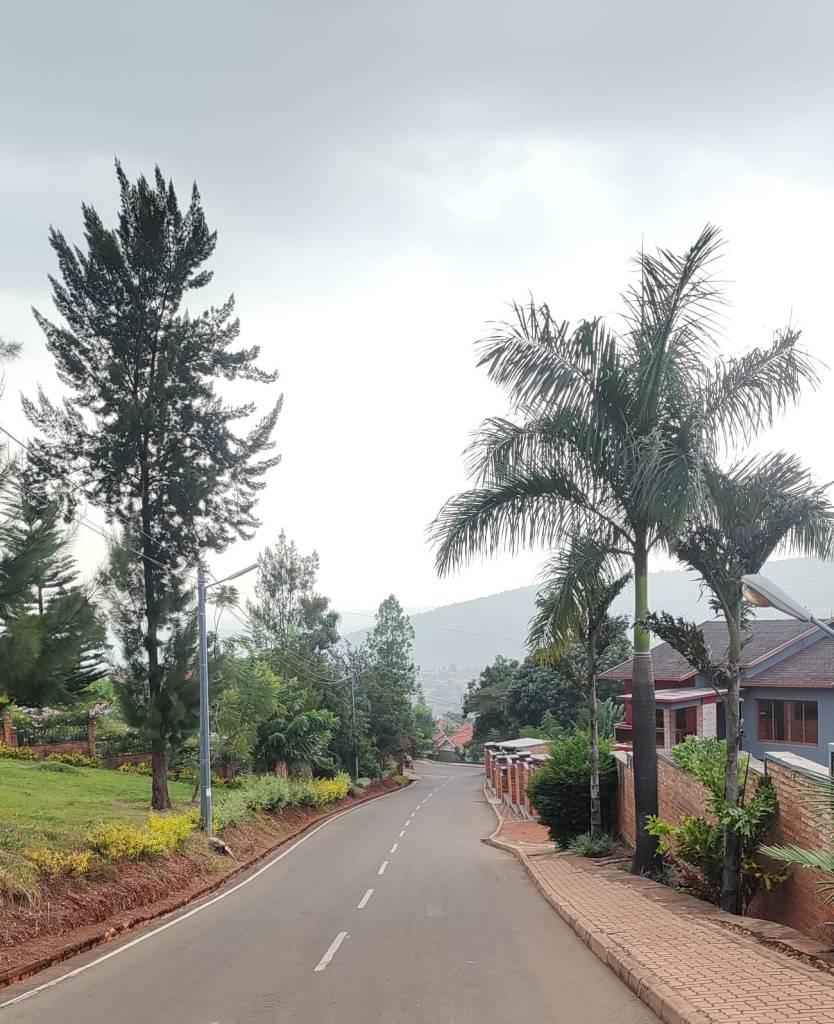
Again, I had read before about Kigali being considered the cleanest city in Africa. But seeing it firsthand was something else entirely. The roads were spotless, traffic somehow felt calm and organized, and the whole city carried this unusual sense of peace. Immediately, I felt the tag “cleanest in Africa” was too narrow. It could easily compete with some of the cleanest cities anywhere in the world.
But more than anything, what felt special in Rwanda was something very simple: the freedom to walk.
I was on my R&R break after working in curfew-restricted environments in South Sudan, where even walking a few hundred meters freely was difficult. Before Rwanda, I had also spent a couple of days in Uganda, where colleagues had told me to stay cautious while moving around outside. That way, arriving in Kigali felt like moving from curfew, to caution, to carefree wandering.
For someone who grew up walking through the streets of Kathmandu, being able to simply walk again felt liberating. I spent hours wandering through neighborhoods, climbing small slopes, and watching everyday life unfold against a backdrop of green hills and clean streets. And I remember thinking countless times: “if only Kathmandu were this clean.”
Like many people around the world, my first introduction to Rwanda had also been through the genocide.
So one of the first places we visited was the Kigali Genocide Memorial. Walking through the memorial was emotionally overwhelming. The photographs, personal belongings, and stories of families torn apart during the 1994 genocide against the Tutsi were heartbreaking. It is one thing to read history in books and another to stand face to face with its human cost. The visit left me reflecting deeply on the dangers of ethnic hatred and tribalism, and how quickly societies can descend into unimaginable brutality.
Yet, at the same time, what also stood out was how much Rwanda has rebuilt itself since then. There was something deeply powerful about seeing a country with such a painful past feel so peaceful and hopeful today. We also visited the famous Hotel des Mille Collines, known worldwide through the movie Hotel Rwanda.
After spending a few days in Kigali, it was time to explore the rest of the country.
Like many East African countries, Rwanda is famous for its wildlife and natural beauty. We headed southwest toward the Nyungwe region, and the farther we drove, the more Rwanda reminded me of Nepal. Along the way, we stopped for local coffee. Rwanda is famous worldwide for its coffee, and honestly, just one sip was enough to understand the hype.
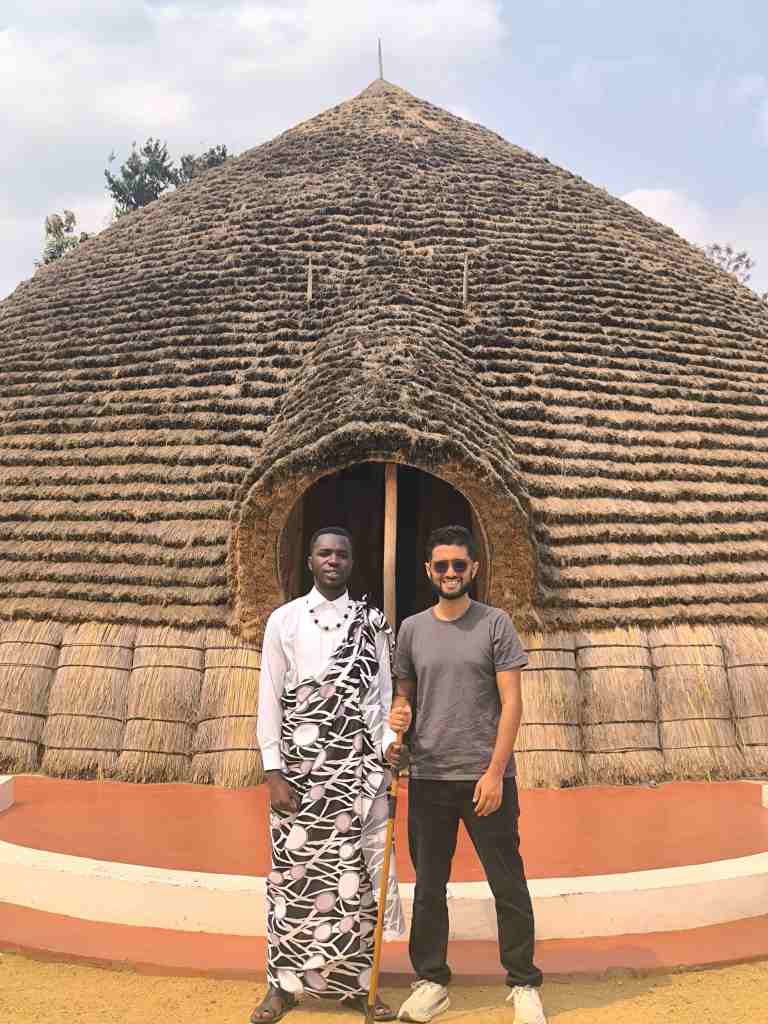
Along the way, we also passed through the King’s Palace Museum. It was a reminder of Rwanda’s pre-colonial monarchy and history before European colonization reshaped the region.
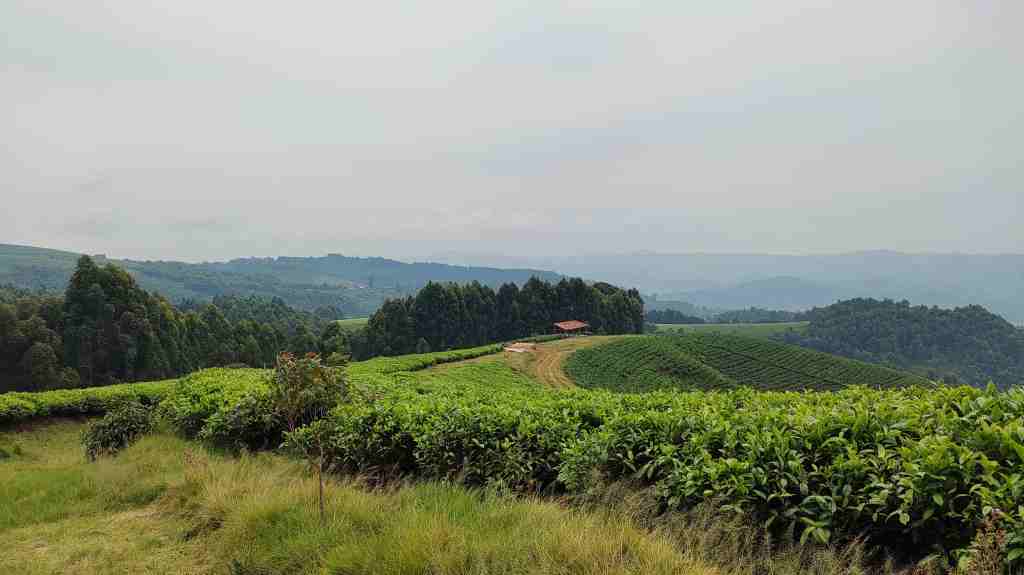
Eventually, we reached the Nyungwe area, home to Nyungwe Forest National Park — one of Africa’s oldest tropical rainforests. The region was stunning: lush green mountains covered with thick forest, with endless tea plantations spread across hillsides.
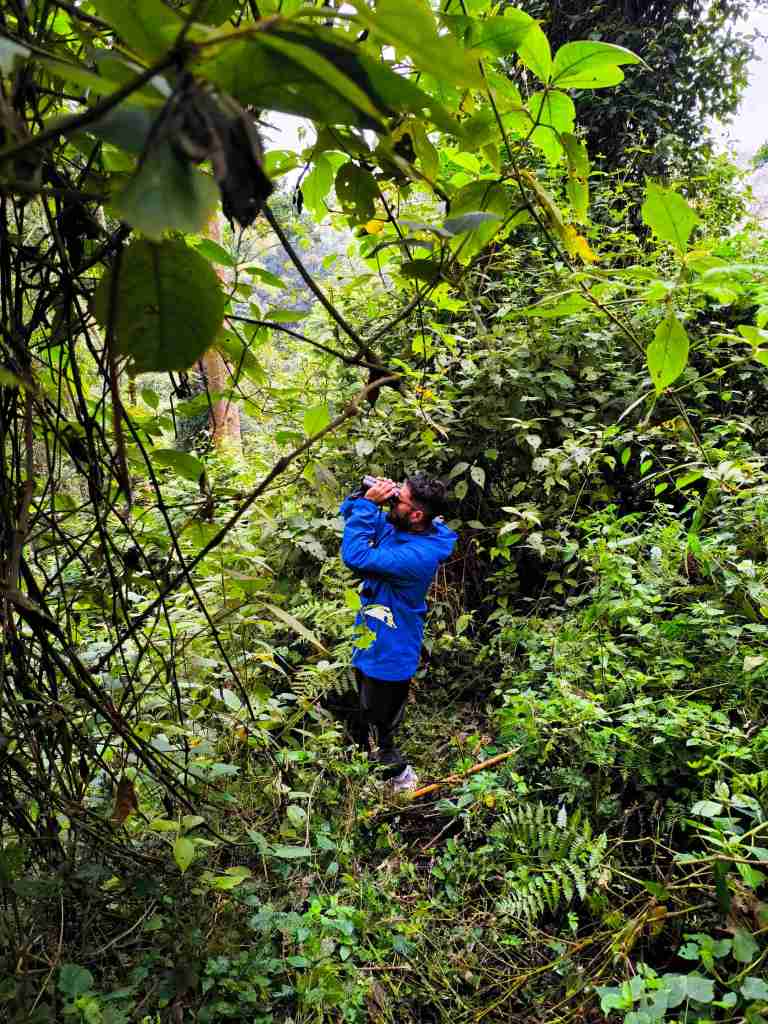
The next morning started (painfully) early. Around 5 AM, we woke up and headed into the forest for chimpanzee trekking. Accompanied by local guides who somehow seemed to know every sound and movement inside the forest, we hiked through dense vegetation, listening carefully for signs of chimpanzees.
And then suddenly, there they were.
A group of chimpanzees moved energetically through the trees. Watching them felt strangely emotional. There was something deeply fascinating about seeing another species so close to us evolutionarily. At one point, I remember suddenly feeling this urge to read more about apes and evolution, in a quest to understand us humans better.
(Disclaimer: I did download a book later. And no, I haven’t started it!)
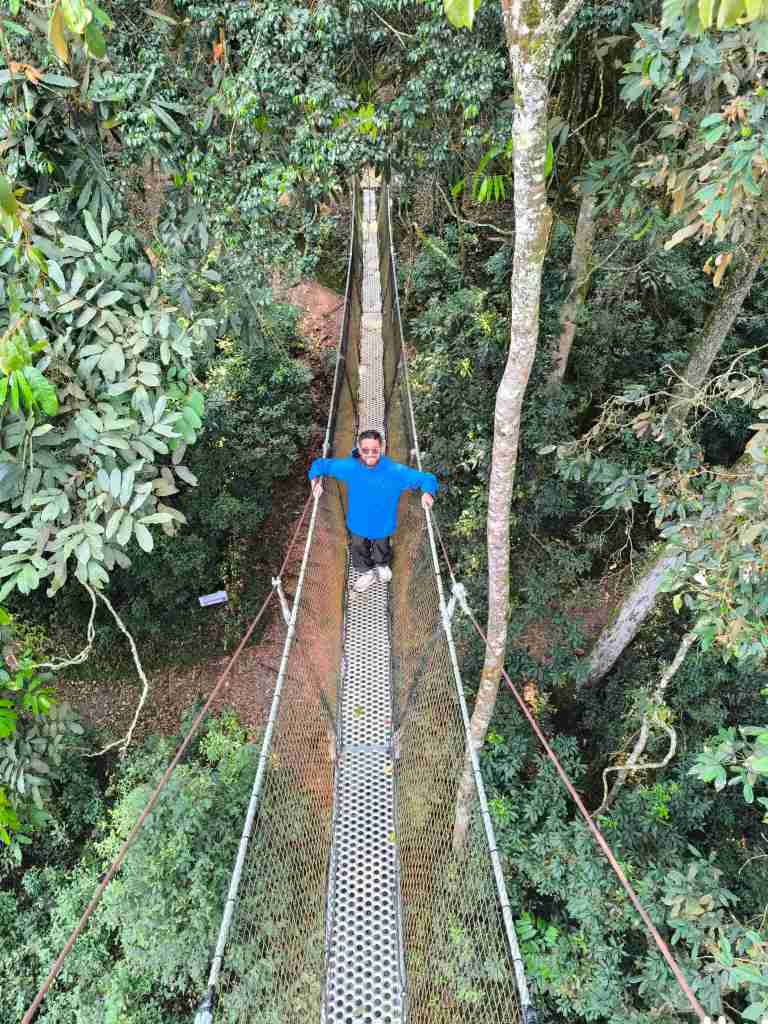
Later that day, we explored more of the forest and did the famous canopy walk suspended high above the rainforest. Walking above such a dense tropical forest — that too on a super narrow hanging bridge — felt both thrilling and (a little) terrifying.
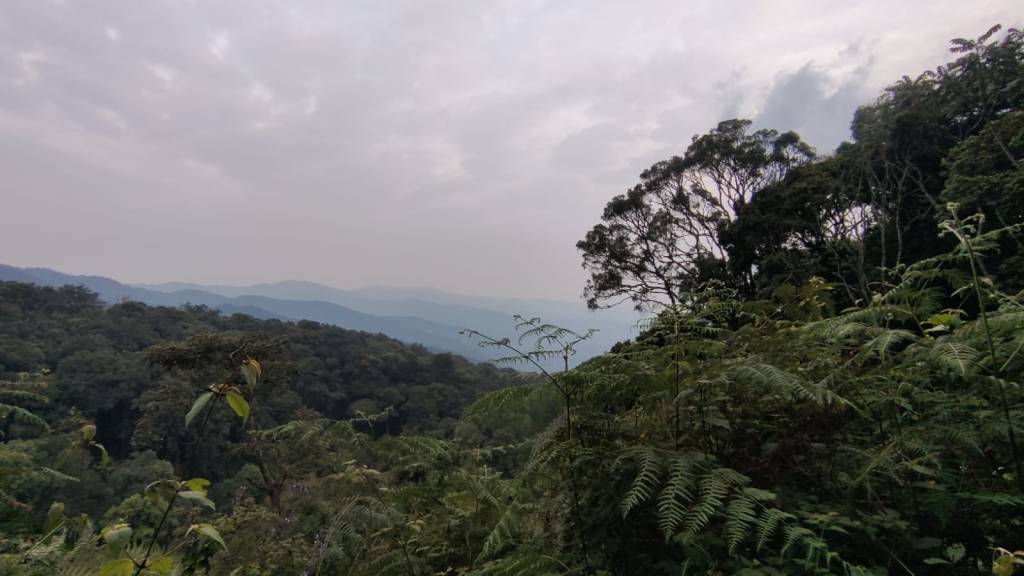
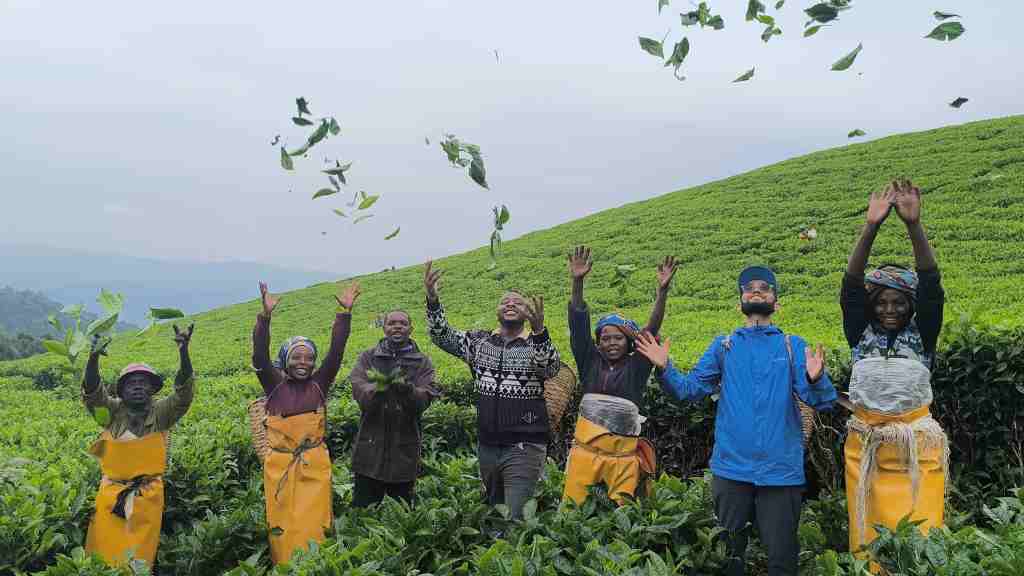
The next few days became slower and quieter in the best possible way. We visited tea plantations, did tea picking and tea tasting (which are as famous as its coffee), and just enjoyed the scenery.
From there, we continued toward Kibuye, a peaceful lakeside town on the shores of Lake Kivu, which lies along the border between Rwanda and the Democratic Republic of the Congo. Lake Kivu is part of the African Great Lakes region, whose lakes together hold over 25% of the world’s surface freshwater.
Just a few days earlier in Uganda, I had seen Lake Victoria for the first time — the third-largest lake in the world. Compared to that, Lake Kivu felt calmer, hillier, and much more intimate.
Kibuye itself had this raw, peaceful charm that reminded me a lot of Begnas Lake region in Pokhara. The next day, we took a boat ride across the lake and hiked around Napoleon Island, named after its shape resembling Napoleon Bonaparte’s hat.
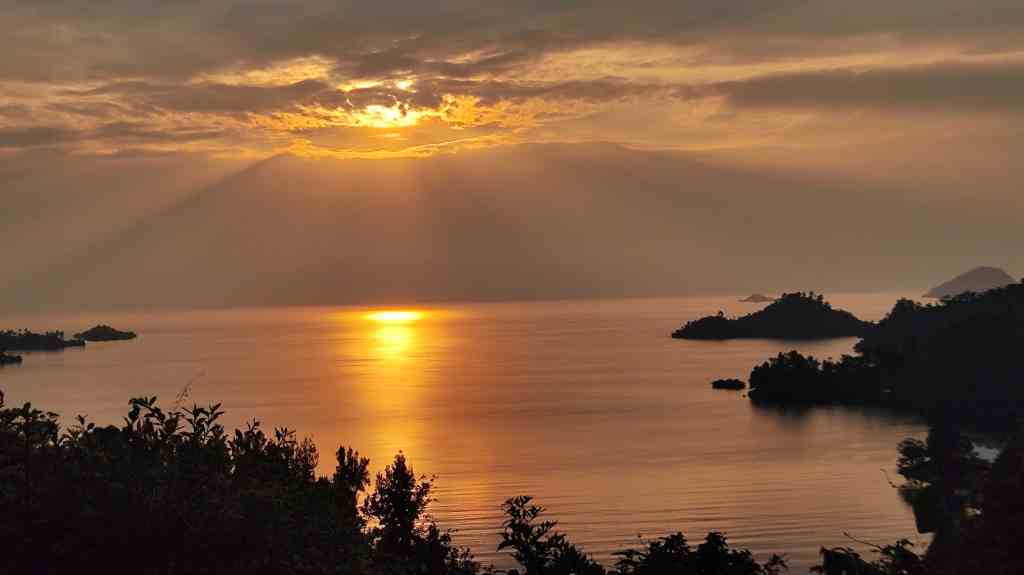
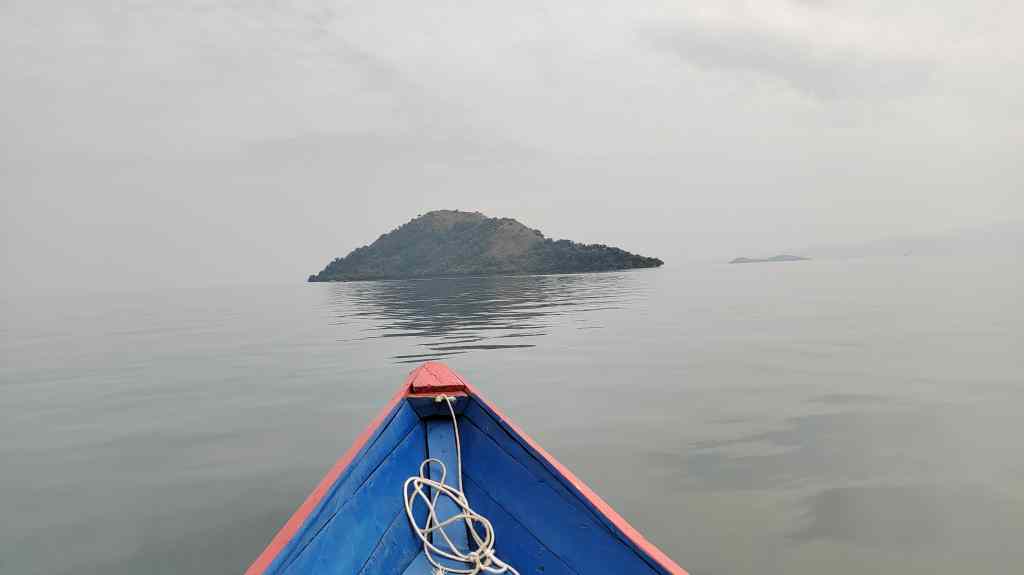
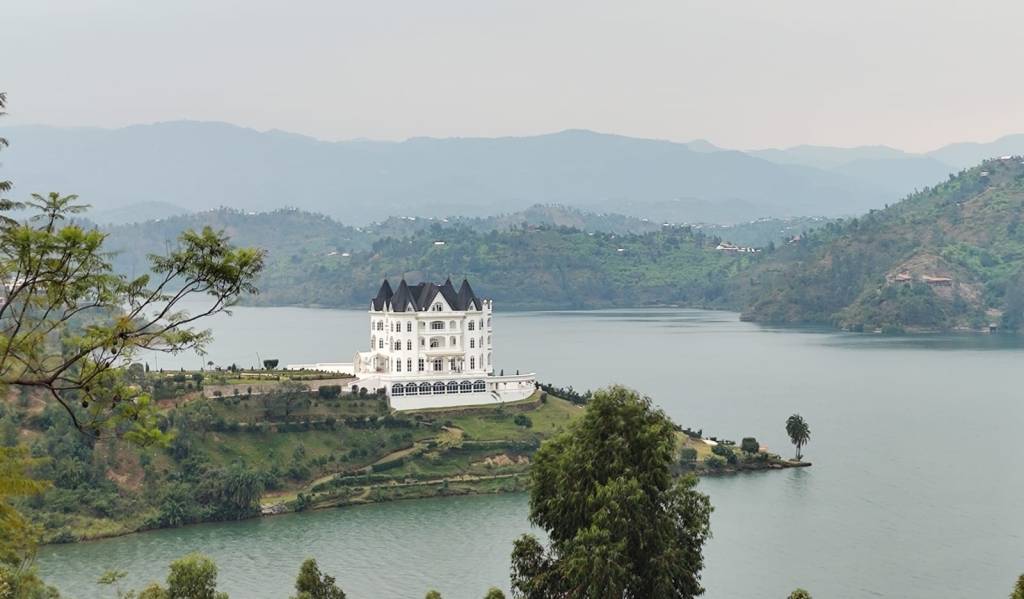
After Kibuye, my friend from Kenya departed for home in Nairobi, so I continued my journey solo. Next I traveled to Gisenyi, another town along Lake Kivu bordering the Congolese city of Goma. Compared to Kibuye, Gisenyi felt much more lively and resort-like, with lakeside cafes, people swimming in the water, and relaxed vibes everywhere. In my head, it almost felt like going from Begnas to Phewa Lake in Pokhara. Except, Lake Kivu is absolutely massive. Just for context, it is more than 40 times larger than Rara, Nepal’s biggest lake.
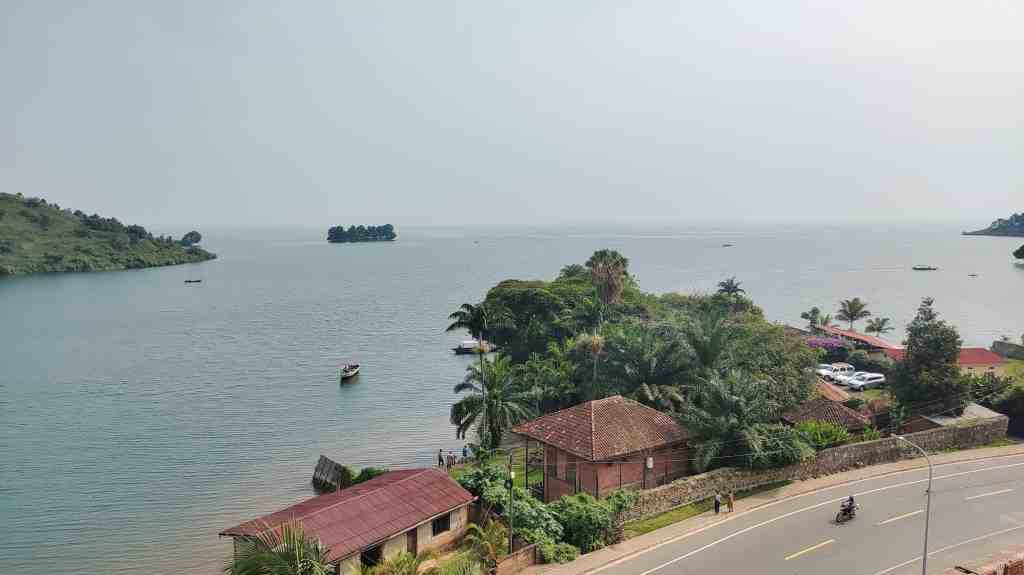
Another thing I loved about Rwanda was how connected the country felt. Despite all the hills and mountains, traveling between cities by road felt surprisingly smooth and easy. We could simply hop onto buses, move between destinations comfortably, and that way not destroy our pockets in the process.
My final stop before heading back to Kigali was Musanze near the famous Virunga Mountains, home to Rwanda’s iconic mountain gorillas. Gorilla trekking here is considered one of the greatest wildlife experiences in the world. But unfortunately, priced at around 1,500 USD, this wildlife adventure was “wildly” outside my budget. (For now, gorilla trekking remains on a long list of “maybe someday in life.”)
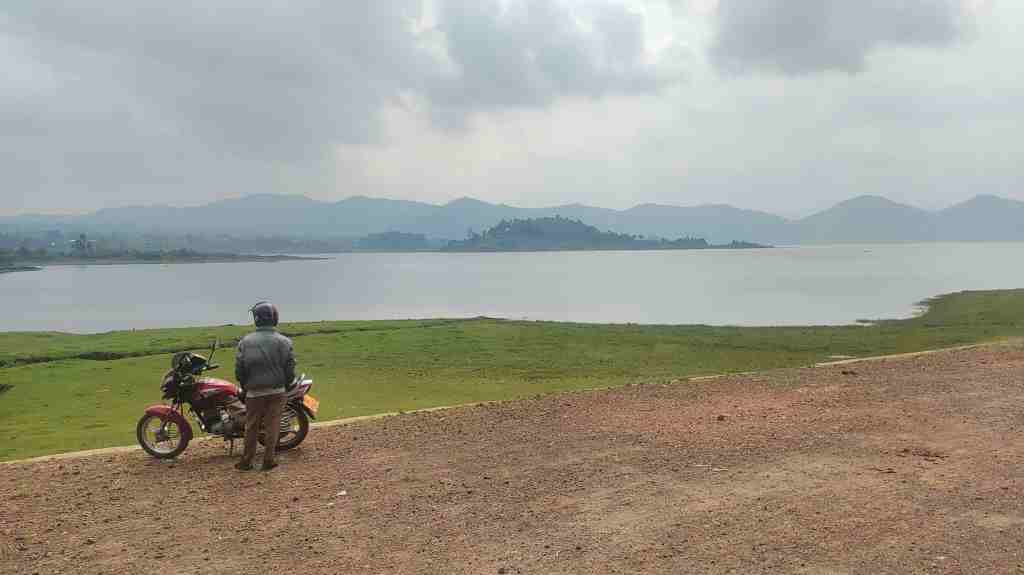
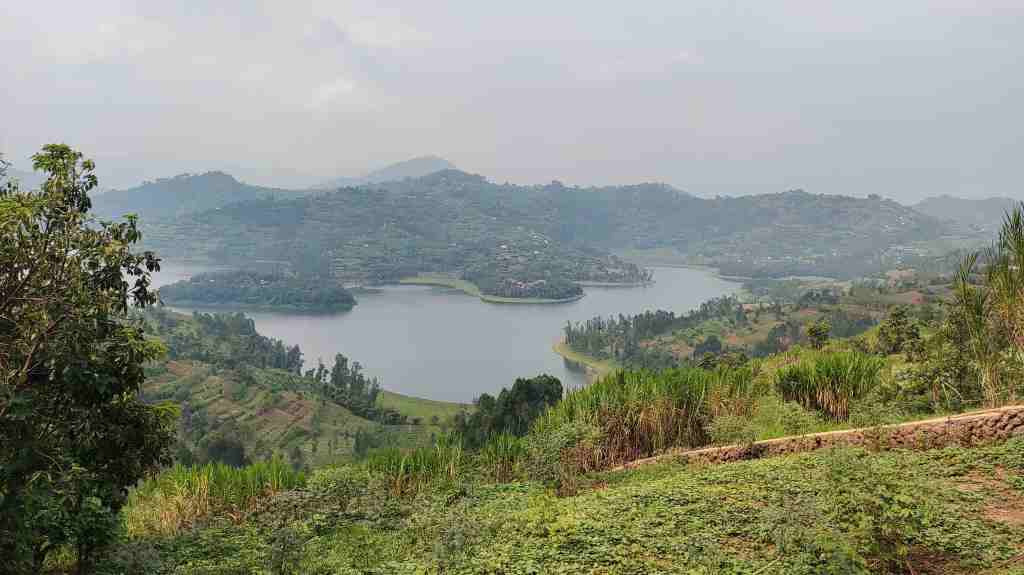
To make up a little for missing out on the gorilla trek, I decided to do something far less mainstream instead: visit the Twin Lakes near Musanze.
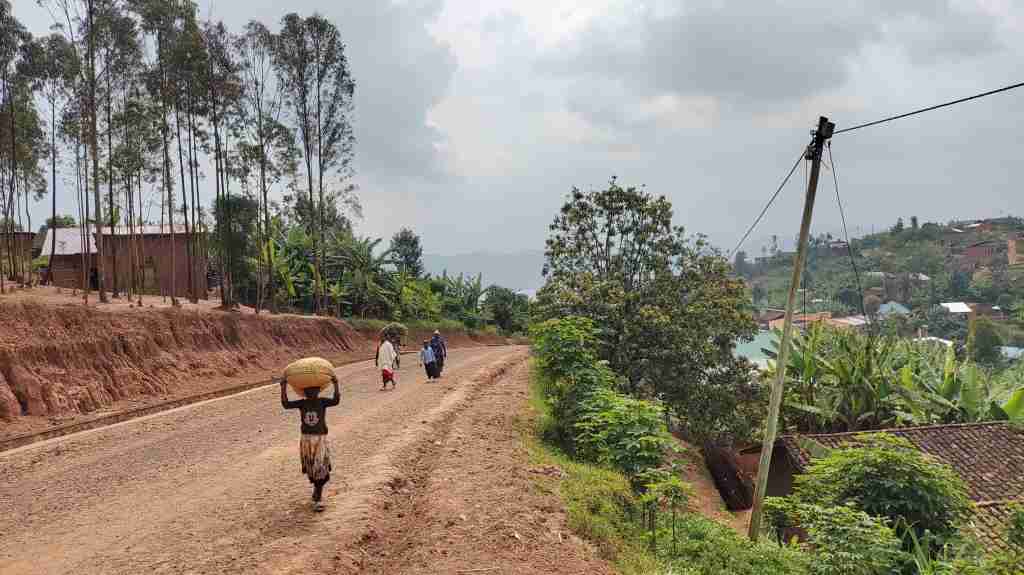
I hired a boda-boda and started riding toward the lakes, thinking it would be a short and simple trip. But only a few minutes into the ride, I realized I was heading somewhere much more remote than I had expected. The smooth concrete roads slowly disappeared, turning into dusty off-road tracks cutting through small villages and farmland.
And suddenly, it felt like I was the only outsider there. It was a strange feeling — neither positive nor negative, just that awareness when you instantly realize how visibly foreign you are in a place. As we rode deeper into the villages, I saw children staring at me as I passed by. Oddly, it reminded me of my own childhood back in Nepal, seeing some random foreigner in a village. It was also a reminder that less touristy travel can often feel more real than typical tourist attractions.
Eventually, it was time to return to Kigali before flying back to South Sudan via Uganda. And somehow, Kigali felt even more special the second time around.
On my final day, I walked almost the entire day through the city with no particular destination. Just walking. Watching people. Climbing roads. Feeling the cool breeze.
To this day, Kigali remains my favorite city in Africa — at least among the few cities I have seen so far.
Maybe it was the hills. Maybe the weather. Maybe the cleanliness. Maybe the safety and walkability. Or maybe it was simply that rare feeling of finding a place that felt like home, far away from home.






Leave a Reply